As we navigate the world of skincare, one big question stands out: "What age should I start anti-aging treatments?" According to Dr. Julia Green, a well-respected dermatologist, “Prevention is crucial, and starting in your 20s can yield the best long-term results.” This highlights the growing trend of proactive skincare.
Many people often overlook their skin's needs until visible signs of aging appear. It’s common to think that anti-aging treatments are only for those in their 40s or 50s. However, starting early can make a significant difference. Anti-aging treatments include not just creams but also lifestyle choices like diet and hydration.
Picking the right time is a personal journey. What works for one may not work for another. Some may find their skin needs attention earlier due to environmental factors. It’s vital to assess your unique skin condition. Taking advice from professionals can guide you. Listen to your skin; it will tell you what it needs.
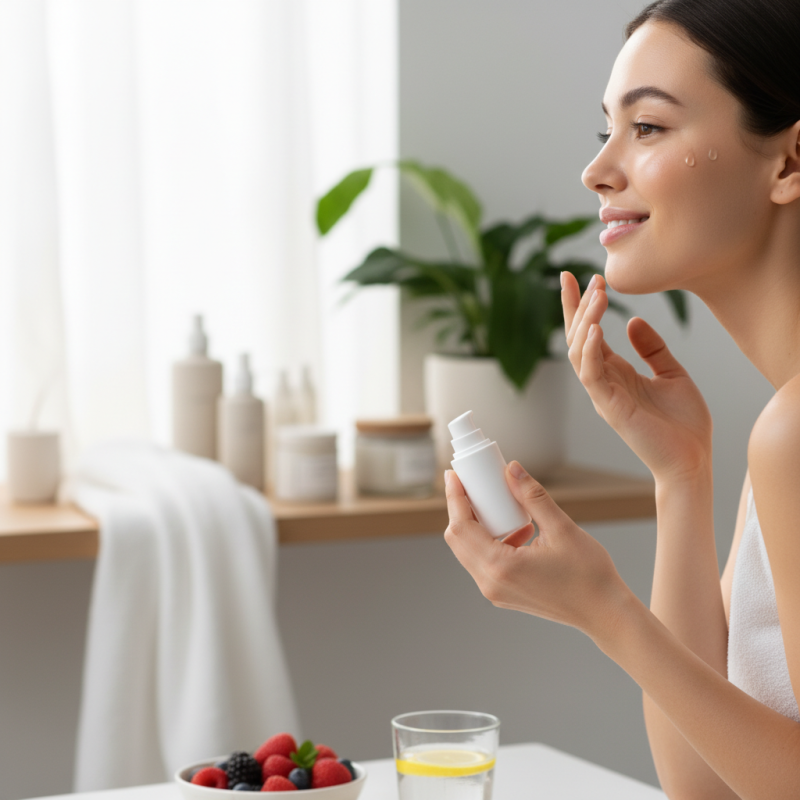
Aging is a natural process that affects everyone. As we age, our skin undergoes changes. Collagen production decreases, leading to wrinkles and sagging skin. There’s also a reduction in natural oils, causing dryness. Understanding these changes helps us adopt appropriate skincare measures.
The aging process begins as early as our twenties. It may seem early to worry, but prevention is crucial. Hydration plays an essential role in maintaining skin elasticity. Regular use of sunscreen can prevent damage from harmful UV rays. Ignoring these factors can accelerate the aging process.
Not all anti-aging treatments suit everyone. Genetic factors and lifestyle choices greatly influence how our skin ages. Some may find success with retinoids, while others experience irritation. Listening to your skin is vital. Regular consultations with skincare professionals can help address concerns effectively.
Aging signs can appear as early as your late 20s. Fine lines around the eyes are often the first noticeable signs. As you approach your 30s, skin may lose its youthful glow. These changes prompt many individuals to start considering anti-aging treatments.
By your 40s, deeper wrinkles and uneven skin tone may become more apparent. Skin elasticity decreases, leading to sagging. It's a time when many begin to seriously evaluate their skincare routines. Regular use of moisturizers and sunscreens can help maintain skin health.
In your 50s and beyond, age spots and pronounced wrinkles may dominate your reflection. This can be a wake-up call to explore various treatments. Options range from topical solutions to more invasive procedures. Each choice should be considered carefully, acknowledging your unique skin type and concerns.
In today's world, many individuals seek effective strategies to combat the signs of aging. The top 10 anti-aging treatments available range from skincare products to advanced medical procedures. Research has shown that over 90% of dermatologists recommend using sunscreen daily to protect against UV damage. This simple step can delay skin aging significantly.
Consider incorporating topical retinoids into your routine. Studies indicate that these Vitamin A derivatives can boost collagen production and improve skin texture. Many users report noticeable differences within eight weeks. However, they can cause irritation. Gradual introduction is key to minimizing sensitivity.
Hydration is often overlooked. Drinking adequate water daily helps maintain skin elasticity. Moreover, facial moisturizers with hyaluronic acid have been shown to retain moisture effectively. As we age, our body's natural moisture levels decline. Regular application of such products can counteract this loss.
Tips: Start early with prevention. Daily sunscreen and a balanced diet can make a significant difference. Listen to your skin. If treatments cause discomfort, reevaluate your choices. The journey to youthful skin may need adjustments along the way. Remember, aging is natural. Embrace it while maintaining your skin's health.
Many people wonder when to start anti-aging treatments. Experts suggest beginning as early as your late twenties. At this age, skin begins to lose collagen and elasticity. Regular treatments can help counteract this early decline.
Tips: Establish a consistent skincare routine early. Use products with antioxidants to protect your skin. Don't forget sunscreen; it’s crucial for prevention.
Starting in your thirties, consider treatments that promote cell turnover. This year marks significant changes in skin texture. Incorporating gentle exfoliation can show benefits. Look for serums that contain retinoids or peptides.
Tips: Stay hydrated by drinking plenty of water. This simple habit can improve skin's appearance. Be mindful of changes in your skin and adjust your routine accordingly. Everyone's skin ages differently, so personalizing your approach is vital.
Maintaining youthful skin is achievable with the right approach. Start by focusing on hydration. Drinking enough water is crucial. Aim for eight glasses daily. This simple step can enhance your skin’s elasticity.
Incorporate antioxidants into your diet. Foods rich in vitamins C and E help combat free radicals. These nutrients can protect your skin from premature aging. Don’t overlook the benefits of sleep. Quality rest plays a significant role in skin recovery. Aim for seven to eight hours nightly.
Regular sun protection is essential. Use a broad-spectrum sunscreen every day, even when it’s cloudy. Reapply every two hours for maximum impact. Consider gentle exfoliation once a week. This process removes dead skin cells, allowing fresh skin to shine. Reflect on your skincare routine often. Adjust as necessary to address changes in your skin's needs over time.
| Treatment | Recommended Age to Start | Frequency | Benefits |
|---|---|---|---|
| Retinoids | 25+ | Daily | Stimulates collagen production |
| Sunscreen | 18+ | Daily | Prevents sun damage |
| Chemical Peels | 30+ | Every few months | Improves skin texture |
| Microneedling | 30+ | Every 6-12 months | Reduces scars and fine lines |
| Hyaluronic Acid | 25+ | Daily | Hydrates skin |
| Botox | 30+ | Every 3-6 months | Smooths wrinkles |
| Facial Masks | Any Age | Weekly | Nourishes skin |
| LED Light Therapy | 20+ | Weekly | Stimulates collagen and reduces inflammation |
| Antioxidant Serums | 20+ | Daily | Protects against free radicals |
| Proper Nutrition | Any Age | Daily | Supports skin health from within |
: The aging process can begin in your twenties. Prevention becomes important during this time.
Decreased collagen production leads to wrinkles. Lack of natural oils results in dry, sagging skin.
Staying hydrated is key. Aim for at least eight glasses of water daily for optimal skin health.
Sunscreen protects against UV damage. Regular use can prevent accelerated aging from sun exposure.
Fine lines around the eyes often appear first. Deeper wrinkles and uneven skin tone follow in your 40s.
No, genetic factors and lifestyle choices affect treatment success. Listen to your skin's needs before trying new products.
Regular reflection on your skincare is important. Adjustments may be needed as your skin changes over time.
A diet rich in antioxidants, like vitamins C and E, helps combat aging. It protects your skin from damage.
Aim for seven to eight hours of quality sleep nightly. Rest is crucial for skin recovery and rejuvenation.
Gentle exfoliation, once a week, removes dead skin cells. This allows fresh skin to shine and helps maintain youthfulness.
The article "Top 10 Anti-Aging Treatments: What Age Should You Start?" explores the aging process and its effects on the skin, highlighting the common signs that signal the need for treatments. It emphasizes the importance of recognizing when to start considering anti-aging solutions, as early intervention can significantly affect skin health. The article details ten of the most effective anti-aging treatments available today and provides age recommendations for initiating these treatments.
In addressing the question, "What age should I start anti-aging treatments?" the article suggests that while individual skin types and concerns may vary, many individuals begin to notice the first signs of aging in their late 20s to early 30s. It also offers valuable tips for maintaining youthful skin at any age, emphasizing that a proactive approach can lead to lasting results. Overall, understanding the aging process and knowing when to act can empower individuals to keep their skin looking vibrant and healthy.
