Why Does RF Skin Tightening Feel Hot and Is It Safe?

Time:2026-09-17 Author:Sophia
0%

Why does RF skin tightening feel hot? The answer begins with controlled thermal energy. Radiofrequency devices deliver electromagnetic energy into the dermis, where resistance converts it into heat. Patients may feel a warm, prickling sensation across the cheeks, jawline, or neck. That sensation is expected. It should remain tolerable, even, and temporary.

Board-certified dermatologist Dr. Dendy Engelman explains, “RF energy heats the deeper dermis, where collagen remodeling begins.” This mechanism helps explain the treatment’s appeal. However, warmth does not automatically prove effectiveness. Device power, treatment depth, skin thickness, and cooling systems all influence the experience. A clinical review published in Dermatologic Surgery describes RF as a method for controlled dermal heating and collagen remodeling. The U.S. Food and Drug Administration’s 2024 safety communication on RF microneedling also highlights serious risks, including burns, scarring, fat loss, and nerve injury when devices are misused.

Industry demand continues to grow. Grand View Research’s aesthetic devices reporting identifies radiofrequency technology as an expanding segment of noninvasive skin treatments. Still, market growth is not proof of universal safety. That distinction matters.

A qualified clinician should explain the device, temperature control, expected sensation, and warning signs before treatment. Sharp pain is different from gentle warmth. Persistent redness, blistering, numbness, or worsening tenderness requires prompt medical assessment. Some descriptions oversimplify the science. I would not treat a “hotter” session as a better session. Safe RF treatment depends on calibrated equipment, appropriate settings, skin assessment, and honest communication.
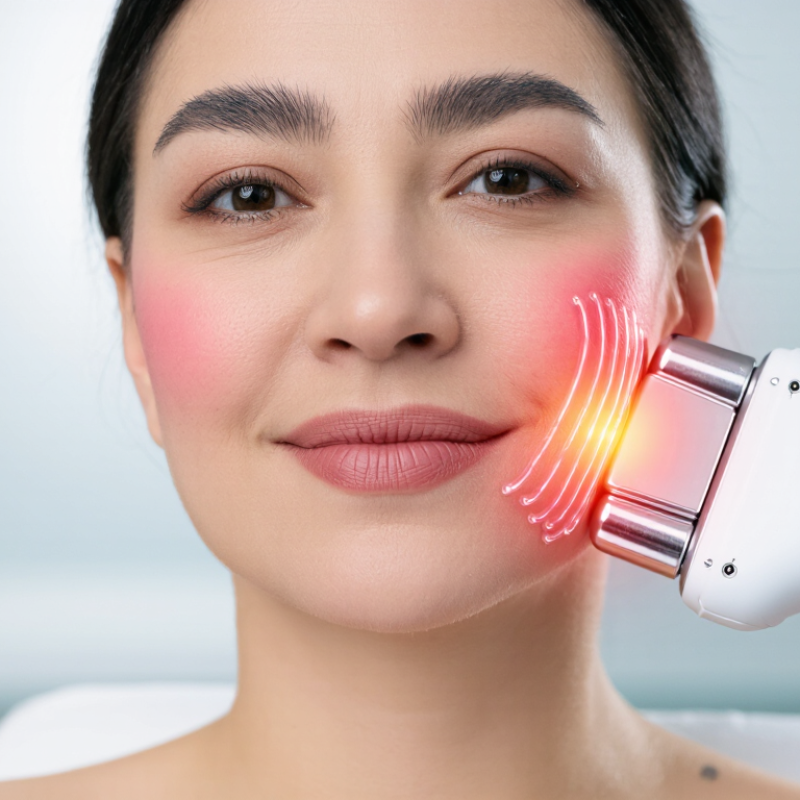
Why Does RF Skin Tightening Feel Hot and Is It Safe?

What RF Skin Tightening Is and How It Works

Radiofrequency (RF) skin tightening uses controlled electromagnetic energy to warm deeper skin layers. The energy creates gentle heat beneath the surface without removing the skin. This warmth can encourage collagen remodeling and may support gradual firmness over time. It is not the same as a surgical lift.

Why does it feel hot?

The treatment handpiece delivers repeated pulses, often with cooling at the surface. You may feel warmth, mild prickling, or brief stinging as the device moves across your cheek or jawline. Heat levels differ by device, treatment area, skin thickness, and personal sensitivity. The process should feel tolerable, not painfully burning. Tell the practitioner immediately if the heat becomes sharp or intense.

RF treatment is generally considered low risk when performed with an appropriate device and trained professional. Temporary redness, swelling, tenderness, or uneven warmth can occur. Burns, changes in pigmentation, and nerve irritation are uncommon but possible, especially with excessive energy or poor technique.

That matters.

A proper consultation should review medical conditions, implanted electronic devices, reduced skin sensation, recent procedures, and pregnancy-related concerns. Follow-up care also matters. Results develop gradually, and they vary. The process is not perfectly predictable. Some people notice modest improvement, while others see little visible change. Evidence supports collagen-related effects, but marketing claims can sound stronger than the research. A qualified practitioner should explain limits, settings, risks, and realistic outcomes before treatment.

Why RF Skin Tightening Feels Hot During Treatment

During RF skin tightening, heat is expected, not accidental. Radiofrequency energy moves through tissue and meets electrical resistance. That resistance changes energy into warmth. Many people describe a gradual sensation, like a warm stone resting on the cheek. The surface may feel hotter near bony areas or thinner skin. It should remain tolerable. Very hot is different.

A trained practitioner usually adjusts energy, contact, movement, and cooling. They also monitor skin color and ask about comfort. Small shifts matter. Dry skin, uneven contact, hair, or sensitive areas can change the sensation. I would not treat “no pain, no gain” as useful advice here. If heat becomes sharp, painful, or suddenly intense, speak immediately. Persistent redness, blistering, swelling, or unusual tenderness needs prompt medical assessment. Do not wait and guess.

RF treatment is generally considered low risk when suitable equipment is used correctly and the patient is screened. Still, “noninvasive” does not mean risk-free. Medical history, implanted electronic devices, reduced sensation, active skin problems, and recent procedures may affect suitability. Ask who will perform the treatment and how they manage burns. A proper consultation should cover realistic results, side effects, and aftercare. The honest detail is easy to miss: warmth can be normal, but comfort still matters. Settings are not one-size-fits-all.

How Practitioners Control and Monitor RF Heat

Why Does RF Skin Tightening Feel Hot and Is It Safe?

Radiofrequency skin tightening feels hot because electrical energy warms tissue beneath the skin. The sensation is usually deep, even, and gradually increasing. Surface warmth may feel stronger around the cheeks, jawline, or forehead. It should not feel sharp, burning, or painfully intense.

Practitioners control heat through energy settings, treatment time, and steady handpiece movement. They usually apply a suitable coupling medium for consistent contact. Many systems display temperature, impedance, or energy feedback during treatment. The practitioner watches these readings, observes the skin, and asks about comfort repeatedly. Patient feedback matters.

“Too hot” is a warning.

A trained provider should reduce power, pause, or move away from sensitive areas when needed. Skin is checked for unusual redness, swelling, or discomfort during and after treatment. Proper screening also considers active irritation, reduced sensation, medical history, and implanted devices. Advice may differ between devices and treatment areas, so standardized settings cannot suit everyone.

In practice, safe heating requires attention rather than speed. A practitioner may test a small area before treating a larger region. They should explain expected warmth and clear stop signals beforehand. Even careful procedures are not perfectly predictable. Skin tone, hydration, and individual sensitivity can change the experience. If heat becomes painful, treatment should stop for reassessment, not continue to meet a schedule.

Is RF Skin Tightening Safe for Most People?

Radiofrequency (RF) skin tightening feels hot because controlled energy warms deeper skin layers. This heat may encourage collagen remodeling and create a temporary tightening sensation. Warmth is expected, but sharp pain is not.

For most healthy adults, RF treatment is considered low risk when performed by a trained, qualified professional. Safety depends on the device, settings, treatment area, and the operator’s technique. Mild redness, swelling, tenderness, or sensitivity can appear afterward. These effects often settle within a few hours or days. Burns are uncommon, but they can happen when the skin becomes overheated or the handpiece stays too long in one place.

Not everyone is a suitable candidate. People with implanted electronic devices, active skin infections, poor sensation, or certain medical conditions should seek medical advice before treatment. Pregnancy also requires extra caution, so postponing treatment is usually the safer choice. Tell the practitioner about medications, previous procedures, and skin problems.

A proper consultation should include your health history and realistic expectations. Ask how the treatment temperature is monitored and what happens if the skin feels painful. More heat does not always mean better results. That assumption needs questioning. Home devices may use lower energy, but incorrect use can still irritate or injure skin. If redness worsens, blisters appear, or pain continues, contact a healthcare professional promptly.

RF skin tightening can feel hot because radiofrequency energy creates controlled heat in the deeper skin layers. Clinical protocols commonly aim for approximately 40–43°C at the treatment area, while cooling, continuous temperature monitoring, and movement of the applicator help protect the surface skin. Most healthy adults can receive RF treatment, but people with implanted electronic devices, certain metal implants, active skin infections, reduced heat sensation, or pregnancy should seek medical advice before treatment.

Potential Side Effects, Risks, and Aftercare Requirements

Why Does RF Skin Tightening Feel Hot and Is It Safe?

Radiofrequency skin tightening feels hot because controlled energy warms deeper skin layers. Most people notice a steady warmth, mild prickling, or brief flushing. The surface should feel comfortable, not painfully hot. Heat is not proof of effectiveness.

Common side effects include redness, tenderness, slight swelling, dryness, or temporary sensitivity. These usually improve within hours or a few days. Rarely, excessive energy can cause burns, blisters, uneven texture, pigment changes, or unwanted fat loss. The risk may increase with poor technique, unsuitable settings, or untrained treatment. People with active skin infections, reduced sensation, or implanted electronic devices should seek medical advice first. Pregnancy and certain medical conditions also require professional clearance. A cautious pause is better than pushing through discomfort.

Tips: Use a cool compress, gentle cleanser, and plain moisturizer after treatment. Apply broad-spectrum sunscreen daily. Avoid hot showers, saunas, intense exercise, alcohol-based products, and strong exfoliants for 24 to 48 hours, or follow your clinician’s instructions. Do not pick peeling skin. Contact a qualified provider if pain worsens, swelling persists, or blisters appear. Aftercare guidance can vary, and that uncertainty deserves attention.

Why Does RF Skin Tightening Feel Hot and Is It Safe? — Potential Side Effects, Risks, and Aftercare Requirements

Topic What the sensation or effect means Typical course or expected findings Safety guidance and aftercare
Why the treatment feels hot Radiofrequency energy produces heat in targeted tissue by causing charged particles to move. The controlled warming is intended to stimulate collagen remodeling and contraction. A warm, heating, or mild prickling sensation is common. Comfort should generally remain tolerable and should not feel sharply painful or intensely burning. Tell the practitioner immediately if the heat becomes painful, concentrated in one spot, or feels like a burn. Treatment settings and continuous movement of the applicator may need adjustment.
Immediate skin redness Temporary erythema can occur because heat increases local blood flow and produces a short-lived inflammatory response. Common and usually temporary
Redness often fades within several hours, although sensitive skin may remain pink for longer.
Use gentle skincare and broad-spectrum sunscreen. Avoid rubbing, exfoliating, or applying irritating active ingredients until the skin feels normal.
Mild swelling or puffiness Heat can cause transient tissue irritation and fluid movement, particularly in areas with thinner or more sensitive skin. Usually mild
Swelling commonly improves over hours to a few days, depending on treatment intensity and individual sensitivity.
Follow the provider’s instructions. A cool—not icy—compress may be soothing. Seek advice if swelling is severe, worsening, or associated with breathing difficulty.
Tenderness or sensitivity Temporary tenderness may result from heat exposure and localized tissue stimulation. Mild soreness or increased sensitivity can last for a short period after treatment and should gradually improve. Avoid vigorous massage, very hot showers, saunas, and intense exercise until discomfort and redness have settled, unless the treating professional gives different instructions.
Dryness or temporary roughness Heat may temporarily affect the skin barrier, leading to tightness, dryness, or a slightly rough texture. Usually short-lived and more noticeable in people with dry or sensitive skin. Apply a bland, fragrance-free moisturizer. Avoid retinoids, strong acids, scrubs, and other irritating products until the skin barrier has recovered.
Burns or blisters Excessive energy, prolonged contact, poor applicator movement, inadequate cooling, or incorrect settings can cause thermal injury. Uncommon but important
Warning signs include severe pain, intense localized heat, persistent whitening or darkening, blistering, open skin, or crusting.
Stop treatment and contact the provider promptly. Do not break blisters or apply unapproved creams. Urgent medical evaluation may be needed for significant pain, blistering, or spreading discoloration.
Pigment changes Inflammation or thermal injury can occasionally trigger darker or lighter patches, especially in individuals prone to post-inflammatory pigmentation. Possible but not expected
Changes may take weeks or longer to fade and can occasionally persist.
Use daily broad-spectrum sunscreen and minimize ultraviolet exposure. Discuss skin type, previous pigmentation problems, and treatment settings before treatment.
Scarring or prolonged texture change Deep or poorly controlled thermal injury can damage tissue and, rarely, lead to prolonged textural changes or scarring. Rare risk
Risk may increase with inappropriate settings, repeated treatment over an unresolved injury, or poor aftercare.
Choose a properly trained, licensed practitioner and a regulated device. Report any wound, persistent hardness, depressed area, or texture change that does not improve.
Effectiveness and treatment response RF may promote gradual collagen remodeling, but results vary with skin laxity, age, treatment area, device type, settings, and the number of sessions. Improvement is generally gradual rather than immediate. Results are often described as modest to moderate, and maintenance may be needed. Do not judge the final result immediately after treatment. Follow the recommended schedule and protect the skin from ultraviolet exposure to support long-term skin health.
Who should postpone or avoid treatment Safety may be uncertain or risk may be higher during pregnancy, over active skin disease, or when an implanted electronic device or other relevant medical condition is present. Suitability depends on the specific RF technology, treatment area, medical history, medications, and whether the device uses additional technologies. Provide a complete medical history. Obtain individualized medical advice if pregnant or breastfeeding, or if you have an implanted electronic device, significant metal in the treatment area, active infection, open wounds, impaired sensation, or a history of abnormal scarring.
Essential aftercare Aftercare helps reduce irritation and protects the temporarily sensitive skin barrier. Most noninvasive treatments allow a quick return to routine activities, but mild redness or warmth may continue temporarily. Keep the area clean, moisturized, and protected with broad-spectrum SPF 30 or higher. Avoid direct sun, tanning, excessive heat, friction, and irritating skincare until recovery is complete.
When to seek medical help Symptoms that are severe, worsening, or prolonged may indicate a complication rather than a normal treatment response. Prompt assessment recommended
Seek help for severe or increasing pain, blistering, spreading redness, pus, fever, significant swelling, facial weakness, eye symptoms, or breathing difficulty.
Contact the treating provider or a healthcare professional. For breathing difficulty, severe allergic symptoms, or rapidly progressive swelling, seek emergency care immediately.

Important: RF skin-tightening systems differ in energy delivery, depth, cooling, and treatment protocol. A warm sensation can be normal, but pain or burning is not something to endure. The treating professional’s device-specific instructions should take priority.

General safety information is consistent with guidance from the U.S. Food and Drug Administration and the American Academy of Dermatology.

FAQS

What is RF skin tightening?

RF skin tightening uses controlled electromagnetic energy to warm deeper skin layers. The skin surface remains intact. This heat may support gradual collagen remodeling and firmer-looking skin. It is not a surgical lift.

Why does RF treatment feel hot?

The device sends repeated energy pulses beneath the skin. You may feel warmth, mild prickling, or brief stinging. Cheeks, jawlines, and foreheads may feel especially warm. Warmth is expected. Burning is not.

How should the treatment feel?

The sensation should remain tolerable and gradually increase. Sharp or intense heat is a warning. Tell the practitioner immediately. Treatment should pause for reassessment.

How do practitioners control RF heat?

They adjust energy levels, treatment time, and handpiece movement. A coupling medium can improve contact and energy consistency. Some devices display temperature or energy feedback. Patient feedback matters.

Is RF skin tightening safe for most people?

It is generally low risk for healthy adults with proper professional treatment. Temporary redness, swelling, tenderness, or sensitivity may occur. These effects often settle within hours or days. No procedure is perfectly risk-free.

Who should seek medical advice before treatment?

People with implanted electronic devices should discuss treatment with a healthcare professional. Extra caution is needed with active skin infections or reduced sensation. Pregnancy-related concerns should be discussed before scheduling. Postponement may be safer.

Can RF treatment cause burns or skin changes?

Burns, pigmentation changes, and nerve irritation are uncommon but possible. Risk may increase with excessive energy or poor technique. A handpiece held too long can overheat one area. That matters.

Will RF treatment always produce visible results?

Results develop gradually and vary between individuals. Some people notice modest firmness, while others see little visible change. Research supports collagen-related effects, but promotional claims may sound stronger. More heat does not always mean better results.

Conclusion

RF skin tightening is a noninvasive cosmetic treatment that uses radiofrequency energy to warm the deeper layers of the skin. This controlled heat encourages collagen remodeling, which may gradually improve firmness and texture. Why does RF skin tightening feel hot? The sensation comes from energy being converted into heat as it passes through the skin, while the surface is usually protected and kept at a comfortable temperature. Most people describe the treatment as warm, with occasional brief pulses of stronger heat.

During the procedure, a trained practitioner adjusts the energy level, moves the applicator continuously, and monitors the skin’s temperature and comfort. RF skin tightening is generally considered safe for suitable candidates, but temporary redness, swelling, tenderness, or mild sensitivity may occur. Rarely, excessive heat can cause burns or changes in pigmentation, especially when treatment is poorly controlled. People with certain medical conditions, implanted electronic devices, active skin problems, or other contraindications should seek professional advice before treatment. Following aftercare instructions, protecting the skin from excessive heat and sunlight, and reporting unusual discomfort can support a safer recovery.

Sophia

Sophia

Sophia is a dedicated marketing professional with an exceptional depth of knowledge about her company's products and services. With a keen understanding of market trends and customer needs, she crafts insightful blog posts that not only inform but also engage readers, enriching the company’s online......