In recent years, the demand for advanced skincare treatments has risen significantly. Clinics and beauty professionals are seeking effective solutions. The Portable Picosecond Laser Machine stands out as a remarkable innovation in this realm. It offers versatility and efficacy, making it an attractive option for many clinics.
This laser device enhances skin rejuvenation, tattoo removal, and pigmentation treatment. Its compact design allows easy transport, ideal for mobile services. Clinics can now cater to clients in various settings, increasing their reach and convenience. However, one must consider initial setup costs and ongoing maintenance.
Investing in a Portable Picosecond Laser Machine can be a game-changer. It can elevate a clinic's offerings but may also require staff training. Balancing quality and cost is crucial. The right choice can lead to exceptional results, while a hasty decision may hinder a clinic’s growth.
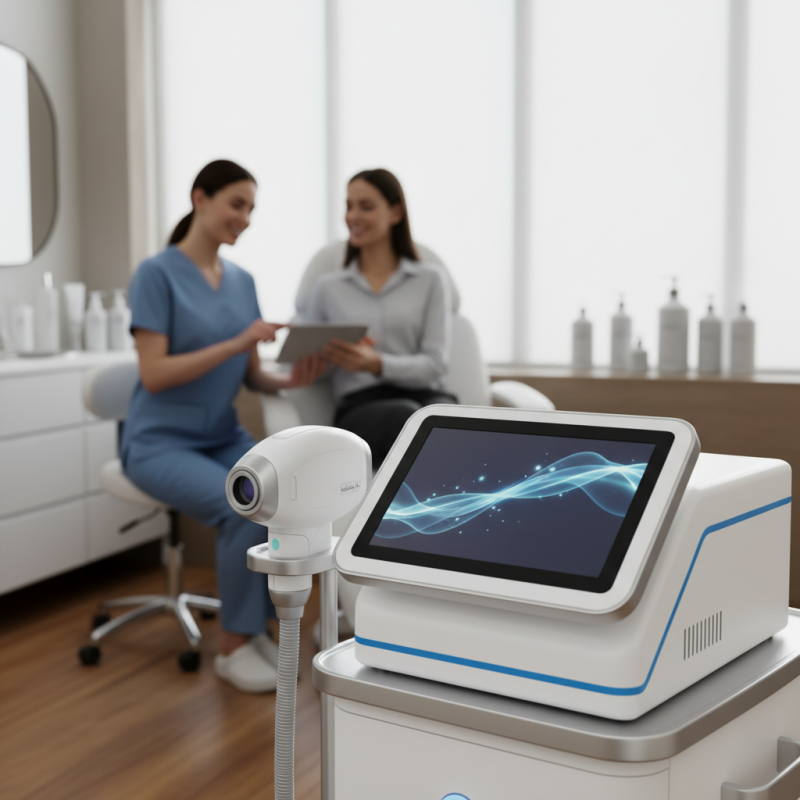
Portable picosecond laser machines are transforming clinics. They provide excellent treatment options without the need for fixed equipment. These machines are compact and easy to transport. This allows clinics to offer services in various locations and events. Flexibility is a major advantage for busy professionals.
These lasers treat various skin issues. They address pigmentation, acne scars, and rejuvenation needs. Clinics can meet diverse patient demands with one device. Additionally, the speed of picosecond technology reduces treatment times. Patients experience minimal discomfort. Results are often visible after a few sessions.
However, investing in portable lasers has challenges. Staff must be trained adequately. The initial cost can be high. Clinics should evaluate their patient base carefully. Is there enough demand for such treatments? Balancing cost with patient needs is vital for success.
When weighing the options between portable and traditional laser machines, key aspects emerge. Portable picosecond lasers offer versatility that traditional machines may lack. They are lightweight and easily transportable, allowing clinics to treat a wider range of clients. Research indicates that nearly 50% of clinics prefer portable models for convenience. These machines can be moved between treatment rooms or even to events, maximizing their usage.
Moreover, traditional lasers often require more space. Users may need to invest in significant infrastructure. Portables remove this barrier. According to a study by the American Society for Aesthetic Plastic Surgery, clinics using portable lasers reported a 35% increase in client turnover, offering more procedures in less time. However, some practitioners express concerns about the power and efficacy of portable models compared to traditional ones.
The differences in operational costs cannot be ignored. Portable machines tend to have lower maintenance costs. Yet, some practitioners argue that these savings may come at the expense of durability. In essence, while portable machines enable flexibility and cost-effectiveness, they prompt reflection on long-term reliability.
When considering a portable picosecond laser machine for your clinic, it's essential to focus on specific features. First, look for a device with adjustable energy levels. This allows for more precise treatments tailored to individual skin types. A built-in cooling system is crucial too. It enhances patient comfort during procedures. Moreover, the machine should have a lightweight design. This makes it easier to transport and set up in various treatment rooms.
Another important feature is versatility. A good laser machine should treat multiple skin concerns, from pigmentation to fine lines. Check the wavelength options available. Different wavelengths target various issues effectively. Additionally, user-friendly software is vital. It streamlines the treatment process and minimizes errors. You may occasionally face a learning curve. However, intuitive controls can reduce complications.
Lastly, consider the machine's maintenance needs. Regular upkeep is necessary to ensure optimal performance. Users may find they must invest time in cleaning and calibrating the device. It's not always straightforward. Some clinics may overlook this aspect, leading to subpar results. Thus, evaluating the overall reliability of the machine is critical.
| Feature | Description | Benefits |
|---|---|---|
| Portability | Lightweight design for easy transport and storage. | Increased flexibility for in-clinic and on-site treatments. |
| Speed | Faster laser pulse delivery for efficient treatments. | Reduced treatment time, enhancing patient satisfaction. |
| Versatility | Multiple applications including tattoo removal, skin rejuvenation, and pigmentation treatments. | Ability to offer a wide range of services to clients. |
| User-Friendly Interface | Intuitive controls and touchscreen displays. | Easier for clinicians to operate, reducing training time. |
| Safety Features | Integrated cooling systems and adjustable settings for skin type. | Minimized risk of adverse effects and better patient outcomes. |
| Cost-Effectiveness | Affordable initial investment and low operating costs. | Higher return on investment through increased client base. |
In today's competitive clinic landscape, cost-effectiveness is crucial. Portable picosecond laser machines offer a viable solution. These lasers are versatile and can treat various skin issues. This ensures a higher return on investment. Clinics can cater to more clients without the need for multiple machines. However, initial costs may seem high.
Portable devices reduce overhead expenses. They often require less maintenance than traditional models. Clinics can save on operational costs while enhancing service offerings. Yet, some practitioners worry about effectiveness. Portable solutions may not match larger units.
It's essential to evaluate options thoroughly. Clinicians should assess the specific needs of their practice. A well-chosen portable laser can transform service capacity. Proper training is an area that needs focus. Staff must become proficient in using these machines. Investing in training is as important as the device itself.
Portable picosecond lasers are changing patient experiences. These devices deliver quicker treatments with less discomfort. Unlike traditional methods, they target specific areas without damaging surrounding tissue. This feature is particularly appealing to patients who fear pain during procedures.
Patients often report a more relaxed experience. Many appreciate the short recovery time associated with picosecond lasers. Procedures can be over in minutes, and patients feel less downtime. The portability of these machines means that clinics can offer services in various settings, enhancing accessibility for everyone. However, there is still room for improvement in technology and training.
Some clinics find it challenging to maintain consistent results. Not all operators have the same skill level, which can lead to varied patient experiences. Continuous training is essential to bridge these gaps. The potential of these machines is immense, but clinics must not overlook the importance of a well-trained team. Proper use maximizes patient comfort and satisfaction.
: They are compact and easy to transport. This allows clinics to provide services at various locations.
The speed of picosecond technology reduces treatment times. Patients often see results after a few sessions.
Staff need thorough training. Initial costs can be high. Evaluating patient demand is also important.
Adjustable energy levels are essential. A built-in cooling system enhances patient comfort during treatments.
Yes, machines should address multiple skin issues, such as pigmentation and fine lines. More options are better.
Regular upkeep is crucial. Users must invest time in cleaning and calibrating the device for optimal performance.
They can be versatile and treat many issues, offering higher returns. Yet, initial purchase costs can be a hurdle.
Some practitioners worry about this. It’s important to thoroughly evaluate the effectiveness of different options.
Staff training is vital. Proficiency in operating the devices is key for achieving good patient outcomes.
Yes, overlooking maintenance needs can lead to subpar results. Balancing care and service capacity is essential.
The article "Why Choose a Portable Picosecond Laser Machine for Your Clinic?" explores the numerous advantages that portable picosecond lasers bring to clinical settings. One of the primary benefits is their ease of use and mobility, allowing practitioners to offer services in various environments without compromising on treatment quality. The comparison of portable versus traditional laser machines highlights the technical advancements and efficiency of portable models, which often prove to be more suitable for modern clinical demands.
Key features to consider when selecting a Portable Picosecond Laser Machine include its versatility, user-friendly interface, and effectiveness across various skin types and conditions. Additionally, these machines are cost-effective solutions for clinics, providing a good return on investment through increased patient turnover and satisfaction. Enhanced comfort for patients is another significant aspect, as the design and functionality of portable lasers often lead to a more pleasant treatment experience, encouraging repeat visits and positive referrals. Overall, the integration of portable picosecond lasers can significantly elevate a clinic’s service offerings while optimizing operational efficiency.
