When preparing for a skin rejuvenation session, many individuals overlook crucial steps. Dr. Emily Carter, a renowned dermatologist, emphasizes, “What to avoid before a skin rejuvenation session can significantly enhance results.” Understanding this can change your experience profoundly.
It's essential to refrain from using certain skincare products leading up to the treatment. For example, avoid retinoids and exfoliants for at least a week. These can irritate your skin, leading to potential complications. Furthermore, sun exposure is a major factor to consider. Tanning or sunburned skin may not respond well to treatment.
Additionally, certain lifestyle choices can also affect outcomes. Alcohol and caffeine can dehydrate your skin, making it less receptive. Stress is another factor that shouldn’t be neglected. It can worsen skin conditions, thus diminishing the rejuvenation benefits. Being mindful of these aspects paves the way for achieving optimal results.
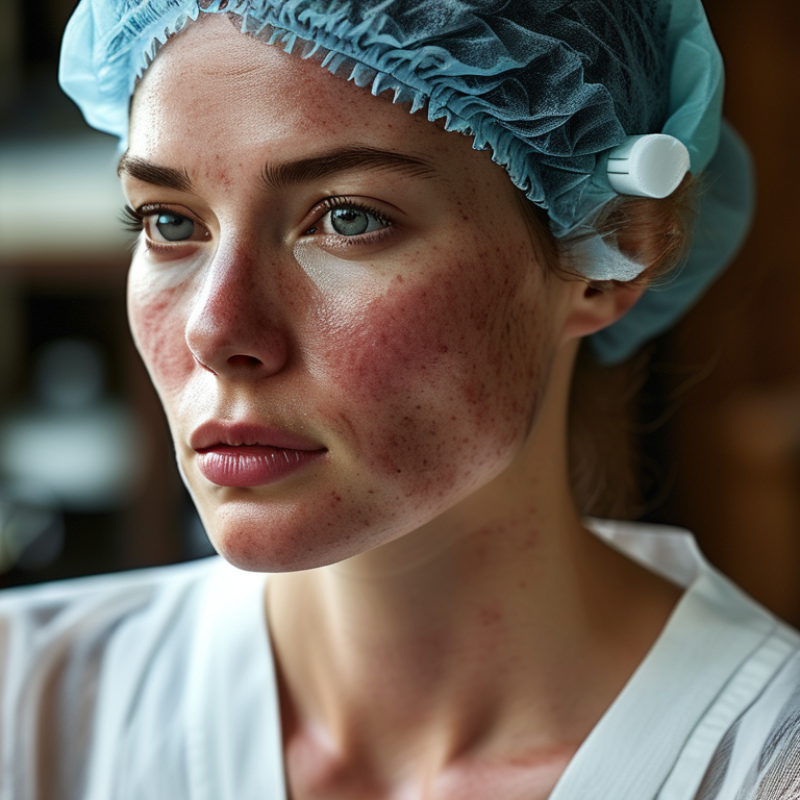
Understanding your skin type is crucial before undergoing any rejuvenation treatment. The main skin types include oily, dry, combination, and sensitive. Each type has its own characteristics and requirements. Oily skin often appears shiny and is prone to breakouts. In contrast, dry skin may feel tight and look flaky. Recognizing these differences helps in tailoring the pre-treatment routine.
For oily skin, avoid heavy creams and serums that can exacerbate greasiness. Instead, opt for lightweight, oil-free products. People with dry skin should focus on hydration. Gently exfoliating can help remove dead cells without irritation. Sensitive skin types require additional care. Always patch-test new products to prevent adverse reactions.
Identifying your skin type means understanding its needs. Listen to your skin’s reactions. Sometimes, products that claim to be beneficial may counteract your skin’s natural balance. Reflect on your past treatments. What worked? What didn’t? These insights guide you in preparing effectively for your skin rejuvenation session.
| Skin Type | Common Concerns | Specific Needs | What to Avoid |
|---|---|---|---|
| Oily Skin | Acne, Large pores | Oil-free products, Non-comedogenic | Heavy creams, Alcohol-based products |
| Dry Skin | Flakiness, Tightness | Rich moisturizers, Hydrating serums | Harsh exfoliants, Hot showers |
| Combination Skin | Uneven texture, Oily and dry areas | Balanced products, Targeted treatments | Overly heavy creams, Extremely drying products |
| Sensitive Skin | Redness, Itching | Fragrance-free products, Soothing ingredients | Scented products, Alcohol-based products |
| Normal Skin | Minimal concerns | Balanced skincare routine | Neglecting moisturization, Overuse of products |
: The main skin types are oily, dry, combination, and sensitive. Each has unique needs.
Oily skin needs lightweight, oil-free products. Avoid heavy creams and serums to prevent breakouts.
Dry skin benefits from hydration and gentle exfoliation. This helps remove dead cells without irritation.
Limiting sun exposure helps prevent skin damage and increased sensitivity, ensuring better treatment outcomes.
If you must be outside, wear protective clothing and apply broad-spectrum sunscreen with high SPF.
Consult your practitioner for personalized guidelines. Hydrate your skin and avoid sunburn before your appointment.
Yes, avoid blood-thinning medications like aspirin. Discuss any health concerns with your practitioner.
Reflecting on past treatments helps understand what worked or didn't, guiding better preparation for future sessions.
Observe your skin's reactions. Take note of how it feels and behaves with different products.
Stop using the product immediately. Patch-test any new items to avoid adverse reactions.
Before undergoing a skin rejuvenation session, it is crucial to understand what to avoid for optimal results. First, identifying your specific skin type and its needs can help tailor pre-treatment care effectively. Additionally, avoiding certain medications and supplements is essential, as they may interfere with the treatment process. Limiting sun exposure and tanning prior to your session is also vital, as UV rays can damage the skin and hinder rejuvenation efforts.
Moreover, maintaining a hydration routine before your treatment can significantly enhance the outcomes. Proper hydration keeps the skin plump and improves healing. Lastly, consulting your practitioner for personalized guidelines and preparations can provide you with tailored advice based on your unique skin conditions. In summary, knowing what to avoid before a skin rejuvenation session is fundamental to achieving the best possible results.

 Aesthe Medical