Is Laser Hair Removal Permanent for Everyone and How Does It Work?

Time:2026-06-16 Author:Ethan
0%

Laser hair removal has gained widespread popularity as a long-term solution for unwanted hair. However, the question lingers: “Is laser hair removal permanent for everyone?” According to a report by the American Society for Aesthetic Plastic Surgery, over 1.5 million laser hair removal procedures were performed in 2020 alone. Yet, individual results can vary significantly due to factors like hair color, skin type, and hormonal influences.

Dr. Ava Shamban, a board-certified dermatologist, states, "While many see lasting results, not everyone will experience permanent hair removal." This highlights the fact that the efficacy of the treatment can be inconsistent. Some individuals may enjoy smooth skin for years, while others see hair regrowth within months. The technology targets hair follicles effectively but is not foolproof for all skin and hair types.

An essential consideration is the need for multiple sessions to achieve optimal results. Some patients may experience temporary hair loss, while others may not respond as expected. Understanding the nuances in laser hair removal will help potential patients set realistic expectations. The conversation around permanence raises awareness, emphasizing the importance of personalized consultations with qualified professionals.
Is Laser Hair Removal Permanent for Everyone and How Does It Work?

Overview of Laser Hair Removal Technology

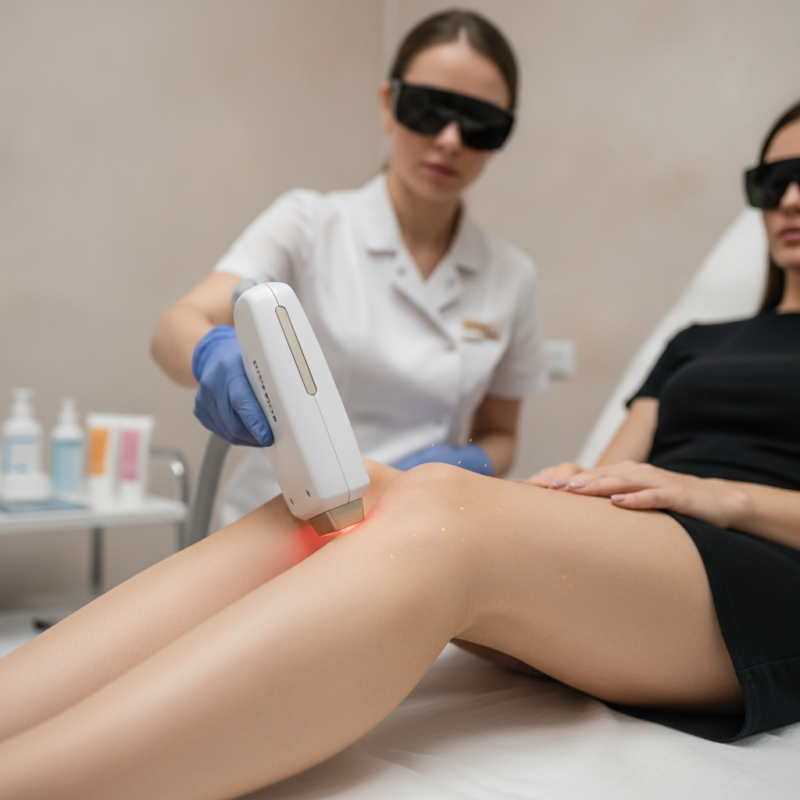
Laser hair removal technology has advanced significantly, becoming a popular choice for many seeking a long-term solution to unwanted hair. The procedure works by targeting the melanin in hair follicles using concentrated light beams. This light is absorbed and transformed into heat, causing damage to the follicles. Over time, this reduces hair regrowth and can lead to smooth skin. However, results can vary among individuals.

Not everyone experiences permanent hair removal. Factors such as hair color, skin type, and hormonal influences can affect the outcome. For example, individuals with lighter hair may require more sessions. Additionally, some may see regrowth after treatment. Understanding these nuances is crucial for managing expectations. Safety is also paramount, as improper technique can lead to skin irritation or burns.

Despite its effectiveness, not all cases lead to complete hair loss. Ongoing maintenance treatments might be necessary. Consulting with a trained professional can help tailor the experience for different needs. Each person's journey with laser hair removal is unique, making communication and expectation management vital. The technology continues to evolve, but reflection on personal experiences will always be essential in seeking the best results.

How Laser Hair Removal Works: The Science Behind It

Laser hair removal is based on selective photothermolysis. This means targeting specific hair follicles with light energy. The pigment in hair absorbs this light, leading to heat production. This heat damages the follicle, inhibiting future hair growth. The process works best on dark hair and light skin, due to the contrast needed for effective targeting.

During the procedure, a laser emits pulses of light. Patients may feel a slight sting, similar to a rubber band snapping. Each session can last from a few minutes to over an hour, depending on the area treated. Multiple sessions are usually required for optimal results, as hair grows in different cycles. Not everyone experiences permanent results. Some may see regrowth, particularly people with hormonal imbalances.

Safety is important in this field. Individuals should seek certified professionals with experience. Potential side effects include skin irritation and pigmentation changes. It's essential to have realistic expectations. Results can vary based on individual skin and hair types. Reflecting on personal goals before starting treatment can help align expectations with reality.

Factors Influencing Effectiveness and Permanence of Treatment

Laser hair removal is an effective solution for many. However, its effectiveness varies widely among individuals. Several factors influence how well the treatment works and whether hair regrowth occurs.

One major factor is hair color and type. Dark, coarse hair responds best to laser treatments. Lighter hair may not absorb the laser light as effectively. Skin type also plays a crucial role. Those with darker skin may face challenges in achieving the same results as those with lighter skin. The contrast between hair and skin color is key for optimal effectiveness.

Hormonal changes can affect hair growth after treatment. Conditions like polycystic ovary syndrome (PCOS) may lead to increased hair regrowth. Additionally, genetics can play a part in how your body responds to the treatment. Some individuals may experience more prolonged results than others, prompting the need for maintenance sessions. It’s essential to consult with a qualified practitioner to understand potential outcomes specific to your unique situation.

Who is an Ideal Candidate for Laser Hair Removal?

Laser hair removal is not for everyone. An ideal candidate typically has light skin and dark hair. According to the American Society for Aesthetic Plastic Surgery, patients with this combination experience the best results. This is because the laser targets the pigment in the hair. Dark hair allows for better absorption of laser energy.

However, individuals with lighter hair colors, such as blonde or gray, may not respond as effectively. A study published in the Journal of Cosmetic Dermatology suggests that hair texture also plays a role. Coarse hair tends to yield better results than fine hair. It’s important to consult with a qualified practitioner to assess individual factors.

Ethnic background may influence outcomes as well. For instance, darker skin tones risk more side effects, including burns or discoloration. According to a report by the Skin Cancer Foundation, proper device settings are crucial for safety. Therefore, professional assessment is essential to ensure the desired outcome. Reflecting on these factors can guide potential candidates in making informed decisions.

Potential Side Effects and Considerations for Patients

Laser hair removal is a popular choice for long-term hair reduction. However, potential side effects should be carefully considered. Common side effects include redness, irritation, and swelling at the treatment site. These effects often diminish within a few hours but can last longer for some individuals. According to the American Society for Dermatologic Surgery, about 10% of patients may experience more serious reactions, such as blistering or changes in skin pigmentation.

Patients with darker skin types carry a higher risk of side effects. The laser can target melanin, which is more abundant in darker skin. A 2022 study found that 30% of individuals with darker skin reported hyperpigmentation after treatment. It underscores the importance of consulting a qualified practitioner.

Additionally, the effectiveness of laser hair removal varies among individuals. Factors like hair color, skin type, and hormonal influence can impact the results. Some patients may require more sessions than expected. The hair growth cycle also plays a key role. Not every hair is in the same growth phase during treatment, leading to varied outcomes. Awareness of these factors is essential for informed decision-making.

FAQS

: How does laser hair removal work?

: It uses light energy to target hair follicles, damaging them to inhibit hair growth.

Who is the best candidate for this treatment?

Individuals with light skin and dark hair usually see the best results.

Are multiple sessions needed for effective results?

Yes, multiple sessions are often required due to hair growth cycles.

What should I expect during the procedure?

You might feel a slight sting, similar to a rubber band snap.

Are there any side effects from laser hair removal?

Yes, potential side effects include skin irritation and pigmentation changes.

Can everyone achieve permanent results?

Not necessarily; some may experience regrowth, especially with hormonal imbalances.

How important is it to choose a qualified practitioner?

Very important; experienced professionals ensure safety and optimal results.

Does skin tone affect the procedure's success?

Yes, darker skin tones can face more risks and need specific device settings.

How do hair color and texture influence the treatment?

Dark and coarse hair absorbs laser energy better than light or fine hair.

What should I consider before starting treatment?

Reflect on realistic goals and understand individual factors affecting outcomes.

Conclusion

Laser hair removal is a popular aesthetic procedure that utilizes advanced technology to reduce unwanted hair. The process involves targeting hair follicles with concentrated light beams, effectively damaging them and inhibiting future hair growth. However, the question remains: "Is laser hair removal permanent for everyone?" The effectiveness and permanence of the treatment can vary based on several factors, including hair color, skin type, and hormonal influences, thereby determining who is an ideal candidate for this procedure.

While many patients experience long-lasting results, some may require maintenance sessions to achieve optimal results. It’s essential for potential candidates to consider the possible side effects and consult with professionals to ensure a safe experience. Ultimately, understanding the science behind laser hair removal and the influencing factors is crucial for those considering this hair removal method.

Ethan

Ethan

Ethan is a seasoned marketing professional with a deep expertise in our company's innovative product line. With a passion for sharing knowledge and insights, he takes the lead in regularly updating our corporate blog, where he explores industry trends, product features, and effective marketing......