The question, "Does fat freezing actually work for belly fat?" has gained significant traction in recent years. Cryolipolysis, commonly known as fat freezing, emerged as a popular non-invasive method to reduce stubborn fat. According to a 2020 report from the American Society of Plastic Surgeons, over 400,000 fat freezing procedures were performed in the U.S., indicating a growing interest in this treatment.
Dr. Rebecca Lee, a prominent expert in dermatology, states, "Fat freezing can reduce fat cells, but results vary." This highlights a critical aspect: while many experience positive outcomes, not everyone achieves dramatic changes. Individual results depend on factors like body type and lifestyle.
Research indicates that patients can expect a 20-25% reduction in treated fat layers after a session. However, it’s important to approach these statistics with caution. An evaluation of personal expectations and lifestyle modifications is essential for long-term success. Ultimately, understanding the nuances of fat freezing is vital when considering it as a belly fat reduction solution.
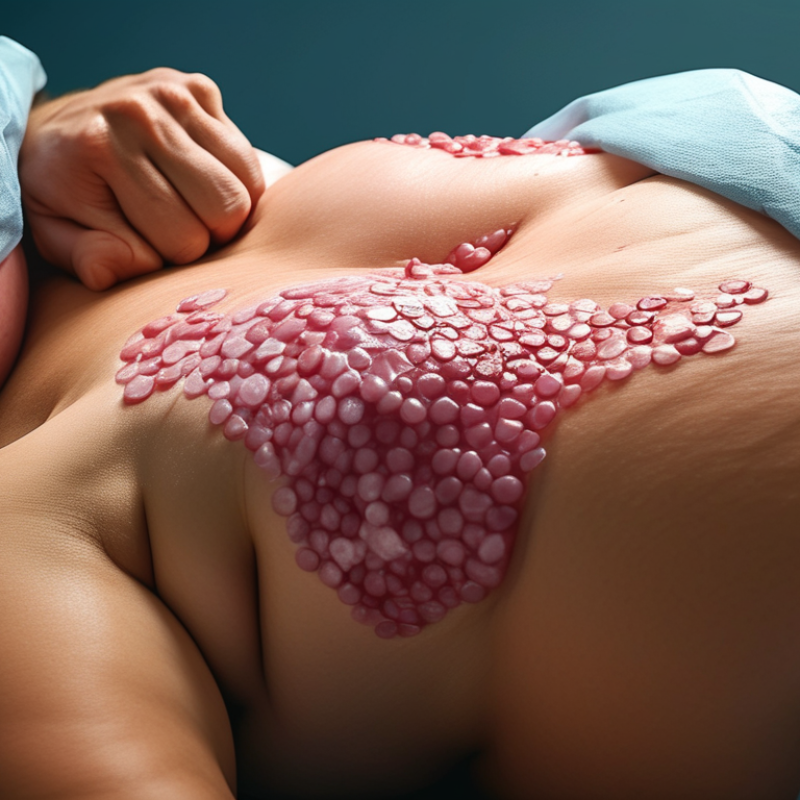
Fat freezing, also known as cryolipolysis, is a non-invasive fat reduction technique gaining popularity. This procedure targets and freezes fat cells in specific areas, such as the belly. Over time, the body naturally eliminates these frozen cells, resulting in a more contoured appearance. Research shows that fat freezing can reduce localized fat by 20% to 25% after just one session.
The mechanism behind this treatment revolves around the principle that fat cells are more susceptible to cold than other cells. When exposed to temperatures between -1°C and -7°C, fat cells undergo apoptosis, a natural death. A study published in the journal "Lasers in Surgery and Medicine" reported positive outcomes in about 86% of participants, further validating the effectiveness of fat freezing.
Tip: Consult with a healthcare professional to discuss whether fat freezing is right for you. Individual responses can vary.
While cryolipolysis is generally safe, it’s essential to keep expectations realistic. Not everyone achieves significant results. Some may experience minor side effects, such as swelling or bruising. Remember, adopting a healthy lifestyle is crucial for long-term success.
Tip: Maintaining a balanced diet and regular exercise can enhance the effects of fat freezing. Consider incorporating physical activities you enjoy.
CoolSculpting, a popular fat-freezing procedure, targets stubborn belly fat through a non-invasive method called cryolipolysis. This technique cools fat cells to below freezing, which causes them to crystallize and break down naturally over time. Various studies highlight that patients can experience a reduction of up to 25% in fat layer thickness after a single treatment. However, results can vary widely. Not every individual sees the same impact, as factors such as body type and metabolism play significant roles.
Research indicates that while many individuals report satisfaction, there are instances of disappointment. In some cases, the treated areas may not achieve the desired smoothness. Reports show that about 20% of patients may require additional sessions to realize visible results. It's crucial to have realistic expectations before undergoing the procedure. Moreover, while CoolSculpting is effective for targeted fat, it does not replace the need for a healthy lifestyle. Maintaining a balanced diet and regular exercise is essential for sustaining long-term results.
Fat freezing, or cryolipolysis, has gained popularity as a non-invasive way to reduce fat. But what about targeting specific problem areas, like belly fat? Research suggests that fat freezing can effectively treat localized fat deposits. However, the belly region poses unique challenges. Many factors influence its effectiveness, such as body type and fat distribution.
People often have high expectations. They assume fat freezing will yield dramatic results overnight. However, results vary widely. Some may see minimal changes, while others enjoy noticeable slimming. It's essential to have realistic goals and understand this treatment is not a weight-loss solution. Patients should manage their lifestyle choices for the best outcomes.
Moreover, consultation with a qualified expert is crucial. They can assess individual body characteristics and provide personalized advice. This helps ensure informed decisions about fat freezing. Remember, what works for one person may not work for another. Each body is different, and the journey to reducing belly fat can be complex. Make sure to have a comprehensive approach, integrating a healthy diet and regular exercise.
This bar chart illustrates the average reduction in belly fat measured in centimeters over various time periods following fat freezing treatments. The data shows a decrease in fat thickness over time, indicating the effectiveness of the treatment.
Fat freezing, also known as cryolipolysis, has gained popularity as a non-invasive method to reduce belly fat. Many experts emphasize its potential benefits. The procedure works by targeting fat cells with cold temperatures, leading to their natural elimination from the body. Patients can typically expect a reduction in fat thickness after one session. This is appealing for those who want to avoid surgery.
However, there are risks associated with fat freezing treatments. Not everyone is a suitable candidate. Some may experience side effects like bruising, swelling, or numbness in the treated area. These effects often subside within a few weeks. Additionally, results can vary significantly from person to person. Some individuals report limited improvements, which raises questions about overall effectiveness. Long-term results remain unclear, and a healthy lifestyle is essential to maintain any achieved outcomes.
While fat freezing offers promising results, a careful evaluation of its benefits and risks is crucial. It's vital to consult with a qualified professional before proceeding. This ensures a safe and informed decision tailored to individual needs. Balancing expectations with reality is key to a successful treatment experience.
Fat freezing, also known as cryolipolysis, has gained popularity for targeting stubborn belly fat. Research suggests that patients may notice a reduction in fat thickness after sessions. According to a report by the American Society for Aesthetic Plastic Surgery, about 86% of patients report satisfaction with their results. However, individual outcomes can vary significantly.
In real-life scenarios, most people see visible changes within three months post-treatment. Reports indicate an average reduction of 20% to 25% in fat layer thickness. This indicates that while fat freezing can promote fat loss, results are not guaranteed for everyone. Some individuals might experience minimal changes, leaving them reflective on their expectations.
Moreover, it’s crucial to acknowledge that fat freezing is not a weight-loss solution. A study from the Journal of Cosmetic Dermatology emphasized that maintaining a healthy diet and regular exercise is vital for optimal results. Some may feel disheartened if they don't achieve their desired outcome. This inconsistency highlights the importance of consulting with a qualified professional before undergoing the procedure.
: Fat freezing, or cryolipolysis, targets and freezes fat cells for non-invasive fat reduction.
It cools fat cells to between -1°C and -7°C, causing them to die naturally.
Patients may see a fat reduction of 20% to 25% after one session. However, results can vary.
Yes, some individuals may experience swelling or bruising following the treatment.
About 20% of patients may need additional sessions for visible results.
Yes, maintaining a healthy diet and regular exercise can enhance and sustain results.
Managing expectations is crucial; not everyone achieves significant results after fat freezing.
Some may find that the treated areas do not achieve the desired smoothness.
It's best to consult with a healthcare professional to discuss suitability and individual responses.
Yes, body type and metabolism play significant roles in the treatment's effectiveness.
The article titled "Does Fat Freezing Really Work for Reducing Belly Fat?" explores the concept of fat freezing, also known as CoolSculpting, detailing its definition and mechanism. It delves into the scientific basis behind this treatment, examining how it targets and reduces fat cells in specific areas, including the belly. The effectiveness of fat freezing for reducing belly fat is scrutinized, alongside a discussion about the suitability of this treatment for various target areas.
Additionally, the article outlines the potential benefits and risks associated with fat freezing therapies, providing a balanced view of what users might expect. Real-life results and recovery insights offer perspective on the outcome of fat freezing sessions, enhancing understanding of whether fat freezing actually works for belly fat. Ultimately, the piece aims to inform readers about the realistic results they can anticipate after undergoing such treatments.
