After undergoing skin treatments, many people experience redness. This temporary irritation can be frustrating and uncomfortable. Understanding how to reduce redness after a skin treatment is essential for promoting healing and improving comfort.
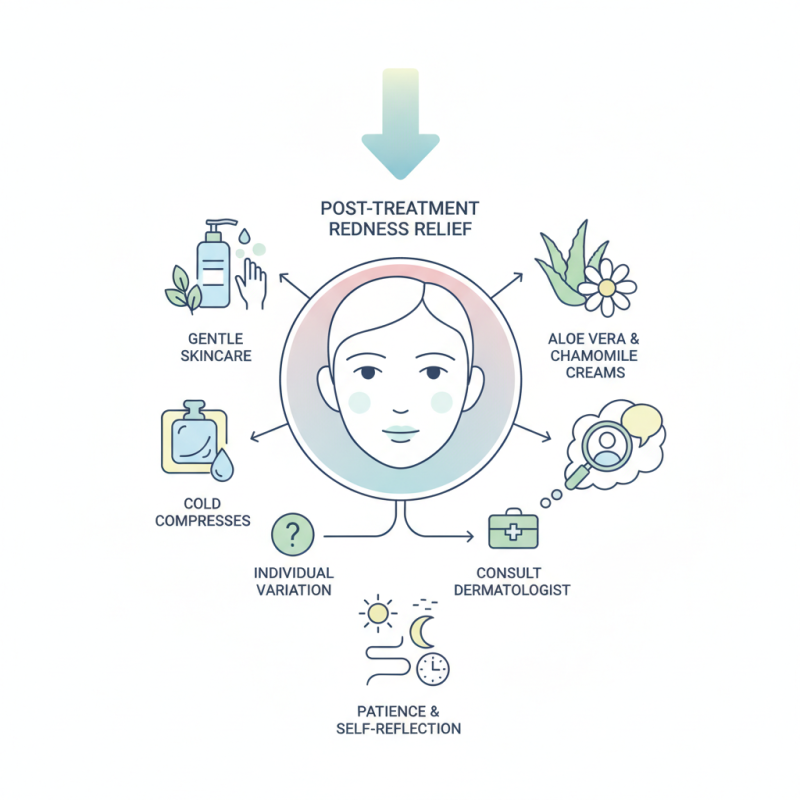
It is important to follow specific steps to alleviate redness effectively. Employing gentle skincare products can help soothe the skin. Cold compresses may provide immediate relief. Some find that using aloe vera or chamomile creams reduces irritation as well.
However, not all methods work for everyone. Individuals may need to experiment to find what suits their skin best. Consulting a dermatologist can offer personalized advice. Their expertise can guide you toward safe and effective solutions. Ultimately, taking care of your skin post-treatment is a journey that requires patience and self-reflection.
Understanding skin redness is vital after undergoing treatments like laser therapy or chemical peels. Skin redness may be a normal response as the body heals. Factors such as skin type, treatment intensity, and aftercare greatly influence the extent of redness. However, it’s essential to manage this redness effectively to enhance comfort and encourage healing.
Tips for Reducing Redness:
Inflammation is a natural response of the body. It helps in healing, but it can also lead to unwanted skin redness. After skin treatments, such as chemical peels or laser therapy, inflammation is common. It can cause discomfort and might last longer than expected. Understanding this process is essential for effective care.
Dermatologists often emphasize that not all redness is bad. A certain level of inflammation indicates the body is working to repair itself. However, excessive inflammation can worsen the appearance of the skin. Many people overlook the importance of post-treatment care. They may skip applying soothing products. This neglect can prolong redness and discomfort.
Cooling the skin is often recommended. Ice packs or cool compresses can help reduce inflammation. Gentle skincare routines are also crucial during this time. Harsh products might irritate the skin further. Reflection on personal habits is key. Consider whether your post-treatment care aligns with what dermatologists recommend. Every individual's skin responds differently, so patience is vital.
After a skin treatment, redness can be a common concern. Effective topical treatments can make a significant difference in calming your skin. Look for soothing ingredients like aloe vera, which provides hydration and reduces inflammation. Chamomile is another great choice, known for its calming properties. Green tea extract also helps; it's packed with antioxidants that promote healing.
Hyaluronic acid is crucial for moisturizing. It penetrates deep into the skin, providing essential hydration. Consider using niacinamide as well. This ingredient can reduce redness and improve the skin's barrier function. It's often well-tolerated, making it suitable for sensitive skin.
While these ingredients are beneficial, always patch test new products. Sometimes, the skin can react unexpectedly. It’s important to listen to your skin's response, adjusting your routine as necessary. Everyone's skin is different, and what works for one person may not work for another. Finding the right combination may take time and experimentation.
| Ingredient | Benefits | Recommended Use |
|---|---|---|
| Aloe Vera | Soothes irritated skin and reduces redness. | Apply gel or cream containing aloe vera post-treatment. |
| Niacinamide | Minimizes inflammation and improves skin barrier. | Use in serums or moisturizers for daily application. |
| Chamomile | Calms redness and enhances skin healing. | Use in creams or lotions; can be applied several times a day. |
| Green Tea Extract | Contains antioxidants that reduce swelling and redness. | Incorporate into post-treatment skincare routine. |
| Centella Asiatica | Promotes collagen production and aids skin recovery. | Use in topical creams; apply twice daily for optimal results. |
Diet and hydration play vital roles in skin recovery after treatments. Eating a balanced diet rich in antioxidants can support healing. Foods like berries, leafy greens, and nuts are excellent choices. These nutrients help reduce inflammation and improve skin health. Hydration is equally important. Drinking enough water flushes out toxins and keeps the skin plump. Aim for at least eight glasses daily.
For those who struggle with hydration, consider herbal teas or infused waters. They can add flavor without extra sugar. Sometimes, people overlook caffeine’s drying effects. Too much coffee or alcohol can hinder recovery. Aim for moderation to aid the healing process.
It’s essential to listen to your body. Adjusting your diet might feel overwhelming. Start with small changes, like swapping snacks for fruits or veggies. Each step can make a difference. Remember, patience is key; healing takes time, and results vary from person to person.
Maintaining adequate hydration and balanced diet rich in fruits, vegetables, and healthy fats significantly enhances skin recovery after treatments. Reducing sugar intake can also aid in minimizing redness and inflammation.
Redness after skin treatments can be distressing. To minimize it, consider a few preventive measures. First, avoid vigorous scrubbing of your skin. According to a study published in the Journal of Clinical and Aesthetic Dermatology, gentle cleansing can reduce inflammation. Use a mild, alcohol-free cleanser to maintain your skin's barrier.
Hydration is crucial. Keeping your skin moisturized helps reduce irritation. A survey conducted by the American Academy of Dermatology indicates that 67% of participants reported decreased redness with proper hydration. Additionally, consider using cooling gels or aloe vera. These can soothe the skin effectively, although not everyone may experience the same relief.
Sun exposure can worsen redness. Experts recommend applying sunscreen daily, even on cloudy days. SPF 30 is a good standard, but some people may need higher protection. The Skin Cancer Foundation states that UV rays can lead to further skin damage. Awareness of your skin’s response to treatments is essential. You might not see immediate results, but consistency will yield better outcomes.
: Skin redness often arises from inflammation, a natural healing response.
No, some inflammation indicates healing. However, excessive inflammation can worsen the skin's appearance.
Redness can last longer than expected, depending on individual skin responses and care routines.
Applying cool compresses or ice packs can help reduce inflammation and soothe discomfort.
Yes, ingredients like aloe vera, chamomile, and hyaluronic acid are effective for calming redness.
Skipping soothing products can prolong redness. Following a gentle routine is important for better healing.
Reflect on your habits and adjust your routine. Everyone’s skin is different; patience is key.
Yes, patch testing helps identify unexpected reactions, ensuring better compatibility with your skin.
Using niacinamide can enhance your skin's barrier and reduce redness. It works for many skin types.
Hydration, especially from hyaluronic acid, helps promote healing and maintains skin health post-treatment.
Redness after skin treatments is a common concern for many individuals. Understanding the causes of skin redness and the role of inflammation can help in addressing this issue effectively. To reduce redness after a skin treatment, it's essential to explore effective topical treatments that contain soothing and anti-inflammatory ingredients. Additionally, making lifestyle adjustments such as maintaining proper hydration and a balanced diet can significantly aid in skin recovery.
Preventive measures also play a critical role; by following specific tips, one can minimize redness during skin procedures itself. Adopting a holistic approach that combines appropriate post-treatment care with proactive strategies can lead to a more comfortable and aesthetically pleasing recovery process. Ultimately, understanding how to reduce redness after a skin treatment can enhance the overall experience and results of skincare interventions.
