Old surgical scars can often be a source of discomfort and self-consciousness. Many people seek effective methods to improve their appearance. Dr. Emily Chen, a renowned dermatologist, emphasizes, "Understanding your scar's type is key to effective removal." This statement highlights the importance of professional assessment in the journey of learning how to get rid of old surgical scars.
Different scars require different approaches. For instance, some may benefit from topical treatments, while others might need laser therapy. It's crucial to note that not every method works for everyone. Scar healing can take time, and results vary from person to person. Many individuals find themselves frustrated if immediate changes don’t occur. Patience and persistence are essential during this process.
Additionally, lifestyle factors play a significant role in scar healing. Proper nutrition, hydration, and sun protection can enhance recovery. This aspect often gets overlooked. Reflecting on one's habits is important. Relying solely on procedures without addressing lifestyle may yield unsatisfactory results. Understanding how to get rid of old surgical scars involves a multi-faceted approach that combines professional advice and personal commitment.
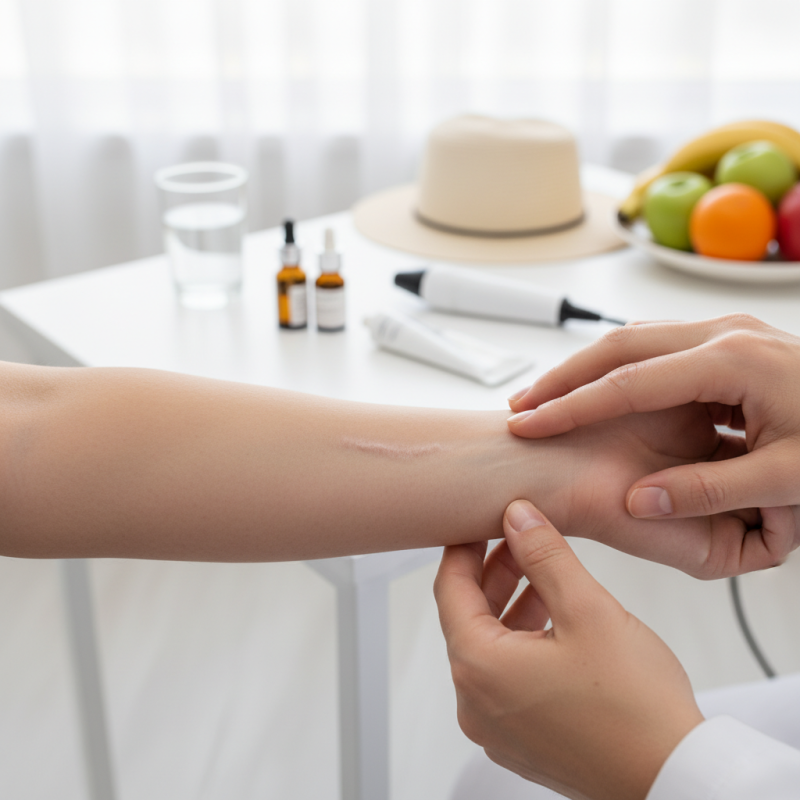
Surgical scars are a common result of surgical procedures. Understanding their causes and characteristics is crucial for effective treatment. Scars form as part of the body’s healing process. They can be the result of surgeries, injuries, or any area where the skin has been incurred. The appearance and severity of a scar can vary based on numerous factors, including the type of skin, location, and depth of the surgical incision.
Studies show that about 40% of people report dissatisfaction with their surgical scars. Factors such as age, genetics, and skin type significantly influence scar formation. For instance, darker skin tones may experience hypertrophic or keloid scars more frequently. An estimated 10% of surgical patients develop noticeable scars that can impact their emotional well-being. This statistic highlights the need for an individualized approach to scar management.
Addressing surgical scars requires an understanding of these complexities. While there are numerous treatments available, not all methods are effective for everyone. Professional guidance is essential in choosing the right approach. Personalized care can lead to better results, but some individuals still find their scars unsatisfactory even after treatment. This reality demands ongoing research and improvement in scar management techniques.
Topical treatments play a vital role in reducing the appearance of old surgical scars. Many dermatologists recommend
silicone gel sheets as a first-line option. Research indicates
that these sheets can improve scar texture and color significantly. A study published in the
Journal of Dermatological Treatment showed a
60% reduction in scar visibility in patients after 12 weeks of use.
Another effective solution involves bio-oils. They contain natural ingredients
which support skin healing. Studies highlight that these oils can enhance moisture retention and promote collagen production.
Using these treatments consistently can lead to noticeable improvements over time. However, results may vary based on
skin type and scar severity.
It's crucial to remember that not all treatments work for everyone. Some individuals might experience minimal change despite
rigorous application. Consulting with a dermatologist can guide you toward
the best approach for your unique situation. Scar management can be a journey filled with trial and error. Keeping
realistic expectations is key to navigating this process effectively.
Laser therapy and microneedling represent effective, non-invasive techniques for improving old surgical scars. Laser therapy utilizes focused light to target damaged skin, stimulating collagen production. According to a study by the American Society for Dermatologic Surgery, 80% of patients observed significant improvement after multiple sessions.
Microneedling, or collagen induction therapy, involves creating tiny punctures in the skin. This process triggers the body’s natural healing response. Research shows that scars may fade visibly after 3–6 sessions. A 2021 report indicated a 70% satisfaction rate among individuals treated with microneedling for scarring.
While both methods have shown promise, results can vary. Factors such as skin type, scar age, and treatment consistency play vital roles in effectiveness. Understanding individual responses is crucial. A consultation with a skilled dermatologist can clarify expectations and ensure a tailored approach. Achieving optimal outcomes often requires patience and ongoing commitment.
Surgical scar revision can greatly improve the appearance of old scars. Many options exist for those seeking to reduce the visibility of surgical marks. According to studies, up to 80% of patients report satisfaction after undergoing scar revision procedures. Serious consideration must be given to each option's risks and benefits.
Laser therapy is one common method used in scar revision. Lasers penetrate the skin, breaking down scar tissue. Many patients notice a marked improvement within a few sessions. A report from the American Society of Dermatologic Surgery indicates a 60% reduction in scar visibility with proper laser techniques. However, results can vary. Some patients experience side effects like redness or pigmentation changes.
Surgical excision is another option. This process involves removing the scar tissue entirely and stitching the skin back together. This can lead to a less noticeable scar. Data shows that 70% of patients observed a significant improvement. Yet, this method may result in new scars that could require additional treatments. Ultimately, each person's healing and scar response is unique, prompting the need for tailored consultations with experts in the field.
Surgical scars are a part of healing, but their appearance can often be minimized through preventive measures. Research shows that nearly 70% of people experience some form of scarring after surgery. Understanding how to influence healing is vital.
One effective tip is to keep the surgical area moisturized. Hyaluronic acid and silicone gel can support the skin's hydration. Maintaining moisture can significantly reduce the severity of scars. Another suggestion is to apply sunscreen on healing scars. UV exposure can darken scars, making them more noticeable. Studies indicate that scars exposed to sunlight can take longer to fade.
Additionally, be mindful of your nutrition. A diet rich in vitamins C and E may promote healthy skin healing. Protein intake is crucial for the regeneration of tissues. However, overeating sugar and processed foods could lead to poor healing and increased inflammation.
In the quest to prevent scars, it is essential to approach your healing journey with patience and care. Some scars may still form despite these efforts. Regularly monitoring their progress can help you reflect on what works best for your unique skin. Take time to acknowledge your healing process.
| Preventive Measures | Effectiveness | Recommended Duration | Notes |
|---|---|---|---|
| Moisturizing | High | Ongoing | Use silicone-based products |
| Sun Protection | Very High | Ongoing | Apply SPF 30 or higher |
| Massage Therapy | Moderate | 6 months | Can improve texture |
| Proper Wound Care | High | Immediate and ongoing | Keep the area clean |
| Use of Scar Creams | Variable | 3-6 months | Results may vary by product |
: Topical treatments help reduce the appearance of old surgical scars. Silicone gel sheets are commonly recommended.
Research shows a 60% reduction in scar visibility after 12 weeks of use. They can improve scar texture and color.
Yes, bio-oils contain natural ingredients that promote healing. They help with moisture retention and collagen production.
Results vary, but consistent use can lead to noticeable improvements over time. It depends on skin type and scar severity.
Laser therapy uses focused light to stimulate collagen production. It targets damaged skin to improve scars.
Microneedling creates tiny punctures in the skin. This triggers the body's natural healing response, which can fade scars.
Typically, 3–6 sessions are recommended. A 2021 report noted a 70% satisfaction rate among treated individuals.
A dermatologist can guide you toward the best treatment options for your specific scars and skin type.
No, results vary for individuals. Some may see minimal change despite consistent application.
Yes, achieving optimal outcomes requires patience and ongoing commitment. Set realistic expectations for the process.
When exploring how to get rid of old surgical scars, it's essential to first understand what causes these scars and their characteristics. Surgical scars can form due to various factors, including the location, type of surgery, and individual healing processes. Effective strategies for reducing the appearance of scars include topical treatments like silicone gels and creams, which help to hydrate the skin and promote healing.
For those seeking further improvement, non-invasive procedures such as laser therapy and microneedling can significantly enhance the skin's texture and reduce scar visibility. In some cases, surgical options for scar revision may be warranted, providing more drastic alterations. Additionally, implementing preventive measures during the healing process can minimize future scarring, ensuring that individuals have the best chance for optimal skin recovery. Through a combination of understanding and the right treatments, it is possible to effectively address old surgical scars.
