Dr. Sarah Thompson, a renowned dermatologist, often addresses the question, "Does drinking water help with skin rejuvenation?" She emphasizes the importance of hydration for maintaining healthy skin. "Water is crucial for skin elasticity and overall appearance," she states.
Many people underestimate the power of hydration. Skin is the body's largest organ and requires adequate moisture. When dehydrated, skin can appear dull, dry, and more prone to aging. Water helps flush out toxins and keeps the skin plump.
However, drinking water alone isn't enough. A balanced diet and proper skincare routines are equally important. Experts recommend drinking at least eight glasses of water daily for optimal skin health. While water plays a vital role, relying solely on it may lead to unmet expectations. Thus, understanding the balanced approach to skin rejuvenation is essential.
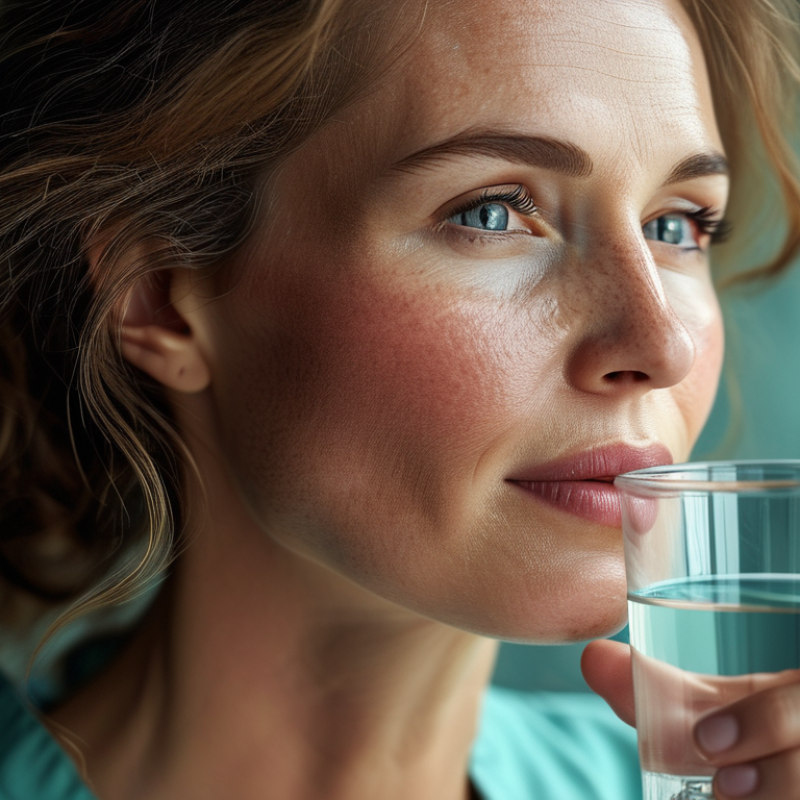
Hydration plays a crucial role in skin rejuvenation. Drinking enough water can enhance your skin’s appearance. When your body is well-hydrated, it helps maintain elasticity. Hydrated skin looks plumper and more youthful. Dehydration can lead to dry, flaky skin. This might cause creases and fine lines to appear more pronounced.
Our skin constantly loses moisture. Factors like sun exposure and pollution can worsen this loss. Inadequate hydration can result in a dull complexion. Many people overlook the link between water intake and skin health. While creams and serums are popular, they can't replace internal hydration. You may still notice dryness despite using topical products.
Recognizing the need for water is essential. You might notice your skin feeling tight after a long day. It’s a reminder to drink more water. Everyone is different; some may need more hydration than others. Keep in mind that improvements take time; consistent hydration is key. A single glass won’t transform your skin overnight. Adjust your routine gradually, and be patient with the process.
Water plays a crucial role in skin health. Hydrated skin appears plumper and more radiant. When you drink adequate water, it aids in the removal of toxins from the body. This helps prevent breakouts and enhances overall skin texture. However, the effects of hydration can vary among individuals. Some may notice significant changes, while others may not see an immediate impact.
The science behind water and skin health is complex. Water helps maintain the skin’s elasticity. This can reduce the appearance of fine lines and wrinkles. However, drinking excessive water doesn’t guarantee better skin. It's possible to overhydrate, which can lead to imbalances in the body. Additionally, other factors like diet and environment can influence skin conditions.
Ultimately, staying hydrated is important but not the only factor. A balanced approach combining water, nutrition, and skincare can yield the best results. Each person’s skin responds differently. Observing your skin’s reaction is key. Regularly assess how your hydration habits affect your skin.
Dehydration can have a significant impact on skin condition and appearance. When the body lacks sufficient hydration, the skin becomes dry, flaky, and less elastic. The Skin Research and Technology journal highlights that even mild dehydration can lead to a noticeable decrease in skin elasticity. Roughly 20% of water is directly used to maintain skin moisture. Without it, the skin shows age faster.
Key factors include environmental conditions and lifestyle habits. For instance, exposure to sun, air conditioning, and smoking can exacerbate dehydration. These elements contribute to premature aging. In a study by the American Academy of Dermatology, researchers found that individuals with healthy hydration levels reported smoother and more vibrant skin. This correlation emphasizes the importance of water for skin vitality.
Tips: Hydrate regularly. Aim for eight glasses of water daily. Incorporate water-rich foods like cucumbers and oranges into your diet. Monitor your skin’s appearance. If it feels tight or looks dull, increase your water intake. Create a hydration schedule. Set reminders to drink throughout the day. Reflect on your habits; simple changes can make a difference.
This chart illustrates the relationship between daily water intake and the skin's hydration levels, along with its impact on skin condition over a month.
Staying hydrated is crucial for maintaining healthy skin. The recommended daily water intake varies. Generally, experts suggest about 8 to 10 cups of water. However, individual needs may differ based on activity level and climate. Drinking enough water helps keep skin plump and reduces dryness.
Water intake does not guarantee flawless skin. Many factors contribute to skin health, including diet and genetics. Too little water can lead to dullness. Over-hydrating may also cause imbalances. Monitoring hydration levels is essential, especially in dry or hot environments.
Along with water, eating foods rich in vitamins and antioxidants can benefit skin. Incorporate fruits and vegetables that have high water content. Cucumber, strawberries, and watermelon are excellent choices. Remember, balance is key. Adjusting water intake to your lifestyle can enhance skin rejuvenation.
Maintaining adequate hydration is crucial for skin health. While drinking water remains essential, other sources of hydration also play a significant role. A report from the Journal of Clinical and Aesthetic Dermatology highlights that fruits and vegetables can contribute significantly to skin hydration. Foods like cucumbers and oranges contain high water content. These options can be as effective as drinking water in improving skin's elasticity and overall appearance.
Research indicates that hydration from diverse sources leads to better skin rejuvenation effects. According to a study published in the Journal of Dermatological Science, participants who increased their intake of hydrating foods saw a noticeable improvement in skin texture and moisture levels. These findings suggest that a multifaceted approach to hydration might provide better results. However, it's important to reflect on an individual's unique dietary habits.
While increasing liquid intake is beneficial, over-reliance on hydration alone may not yield optimal results for everyone. Factors like age, skin type, and lifestyle must also be considered. Balancing hydration with a proper skincare routine and a nutrient-rich diet can enhance the rejuvenation benefits for different skin types. A one-size-fits-all approach may fall short. Personalization is key.
: Water keeps skin hydrated, making it look plumper and more radiant. Proper hydration helps eliminate toxins.
Experts recommend about 8 to 10 cups daily, but needs vary by activity level and climate.
Yes, overhydration can cause imbalances in the body, potentially affecting skin health negatively.
Yes, fruits and vegetables like cucumbers and strawberries also provide hydration and improve skin appearance.
No, various factors like diet, genetics, and environmental conditions also affect skin health.
Observe how your skin reacts to hydration changes and monitor its texture and moisture levels regularly.
Increase water intake, focus on a balanced diet, and consider your skincare routine.
Not entirely. A balanced diet rich in vitamins is also essential for optimal skin health.
Lifestyle factors like age, skin type, and activity level can change how much hydration you require.
No, skin responses vary. Personalization in hydration and skincare routines is crucial for best results.
The article "Does Drinking Water Improve Skin Rejuvenation Benefits?" explores the crucial relationship between hydration and skin health. It begins by discussing how proper hydration is essential for effective skin rejuvenation, emphasizing that water plays a vital role in maintaining skin elasticity and preventing dryness. The science behind water's positive effects is examined, revealing that adequate hydration can enhance the skin's overall appearance, making it look plumper and more vibrant.
Additionally, the article highlights the detrimental effects of dehydration on skin condition, leading to issues such as increased wrinkles and dullness. It offers practical daily water intake recommendations for optimal skin benefits while also considering the impact of other hydration sources, such as fruits and vegetables. Ultimately, it answers the question, "Does drinking water help with skin rejuvenation?" affirmatively, showing that maintaining proper hydration is key to achieving healthier, rejuvenated skin.
