Top 10 Answers Can I Use Vitamin C After Skin Rejuvenation?

Time:2026-10-12 Author:Liam
0%

Can I use vitamin C after skin rejuvenation? The answer depends on the procedure, your skin barrier, and the product’s strength. A gentle facial may require only brief caution. Laser resurfacing, microneedling, chemical peels, and intense light treatments need more patience. Freshly treated skin can feel warm, tight, swollen, or unexpectedly fragile. Vitamin C may sting when applied too soon.

Dr. Joshua Zeichner, a board-certified dermatologist, explains, “Vitamin C is a potent antioxidant that helps neutralize free radicals and support healthy collagen production.” That benefit matters, but timing matters too. A strong L-ascorbic acid serum can irritate newly resurfaced skin. Fragrance, alcohol, and exfoliating acids may worsen discomfort. The label does not tell the whole story.

This guide explores ten practical answers. It considers treatment depth, healing signs, formulation, concentration, and professional aftercare instructions. Your clinic’s advice should take priority, especially after laser or deeper resurfacing. Clean hands, lukewarm water, and a bland moisturizer may be safer during early recovery. Keep it simple.

Still, uncertainty remains. “Natural” does not always mean gentle, and redness is not always harmless. If burning continues, stop the serum and contact your qualified provider. Sun protection is also essential, because post-treatment skin can react strongly to ultraviolet exposure. Use a broad-spectrum sunscreen only when your clinician allows it. A cautious restart usually beats a rushed routine.
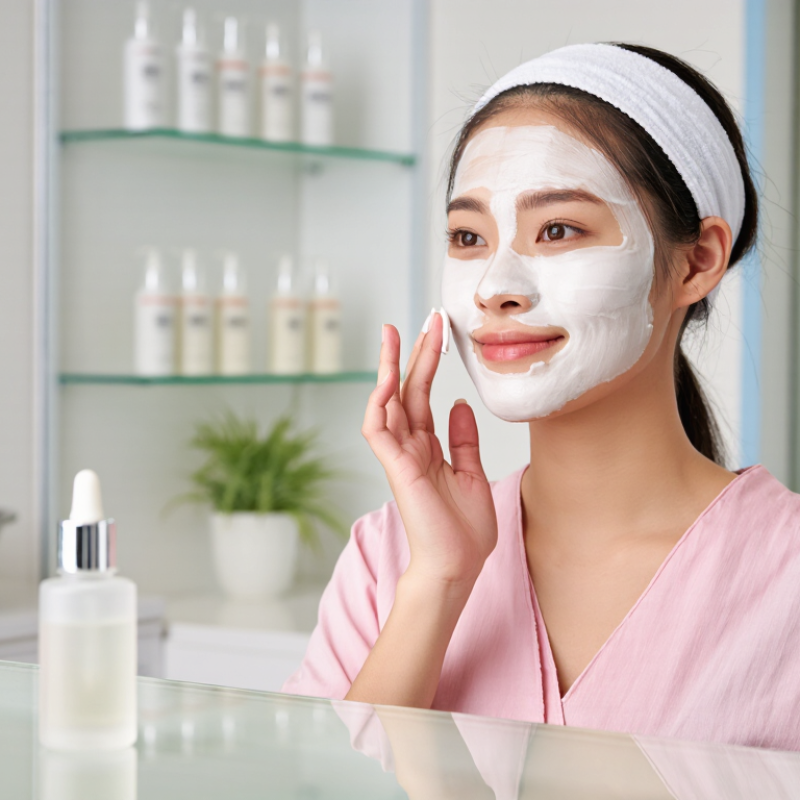
Top 10 Answers Can I Use Vitamin C After Skin Rejuvenation?

What Skin Rejuvenation Involves and Why Aftercare Matters

Skin rejuvenation can involve laser treatment, microneedling, chemical peels, or energy-based procedures. Each method creates a different level of controlled skin stress. The goal may be smoother texture, brighter tone, or softer lines. However, the skin needs time to rebuild its protective barrier. Healing takes time.

After treatment, redness, warmth, tightness, dryness, or mild swelling may occur. These reactions can make vitamin C feel irritating, especially when the skin is sensitive or slightly damaged. Many clinicians recommend waiting until the surface feels comfortable and fully closed. The exact timing depends on the procedure, product strength, and your healing response. Follow the treating professional’s instructions rather than copying an online routine.

Gentle cleansing, bland moisturising, and daily broad-spectrum sunscreen usually support recovery. Avoid scrubs, strong acids, retinoids, fragrance, and picking at peeling areas. A common mistake is returning to active ingredients too quickly because the skin looks better after two days. It may still be healing underneath. When vitamin C is reintroduced, use a small amount on a limited area first. Stop if burning, swelling, or persistent redness appears. The difficult part is that recovery is not perfectly predictable, even after a mild procedure. Contact your clinician if discomfort increases, blisters develop, or redness spreads.

Top 10 Answers: Can I Use Vitamin C After Skin Rejuvenation?

What skin rejuvenation involves and why aftercare matters

The chart shows commonly advised recovery windows before restarting topical vitamin C after different rejuvenation procedures. The timing varies with treatment intensity, skin sensitivity, and healing progress. Wait until redness, stinging, peeling, and open areas have settled, and follow the treating clinician’s instructions.

When It Is Safe to Resume Vitamin C After Treatment

After skin rejuvenation, vitamin C may support a brighter, more even-looking complexion. However, freshly treated skin can react differently. Redness, warmth, tightness, or light peeling means the barrier is still recovering.

For mild treatments, such as gentle facials, many professionals suggest waiting 24 to 48 hours. After microneedling, stronger exfoliation, or laser procedures, waiting several days may be safer. Some treatments require a week or longer. Your clinician’s instructions should take priority because treatment depth, skin sensitivity, and healing speed vary.

Wait until your skin feels calm.

Do not restart vitamin C while stinging, swelling, open areas, or active peeling remain. A common mistake is testing it too quickly because the skin appears better in the mirror. Apply a small amount to one area first, then watch for burning or increased redness over 24 hours. Use a gentle moisturizer and broad-spectrum sunscreen during recovery. Avoid combining vitamin C with retinoids, acids, or scrubs at first.

The ideal restart date is not universal. Even experienced skincare users can misjudge healing, especially after an aggressive procedure. If irritation continues, stop the product and contact a qualified dermatologist or treatment provider.

Top 10 Answers: Can I Use Vitamin C After Skin Rejuvenation? — When It Is Safe to Resume Vitamin C After Treatment

No. Skin Rejuvenation Treatment Typical Waiting Period Before Topical Vitamin C* Why Waiting May Be Needed How to Restart Safely
1 Gentle facial or non-exfoliating hydration treatment Usually 24 hours The skin barrier may be temporarily more sensitive, especially after cleansing, massage, or light exfoliation. Resume only when there is no stinging, marked redness, or unusual dryness. Apply a bland moisturizer and sunscreen.
2 Superficial chemical peel About 3–7 days Acids can cause temporary irritation, peeling, and increased sensitivity. Vitamin C may sting while the outer barrier is recovering. Wait until peeling and tenderness have settled. Restart every other day with a low-irritation formula if tolerated.
3 Medium-depth chemical peel Approximately 7–14 days or until fully healed More substantial exfoliation can leave the skin fragile, inflamed, and prone to burning or post-inflammatory color changes. Follow the treating clinician’s aftercare plan. Do not apply vitamin C to actively peeling, cracked, or open skin.
4 Microneedling Usually 3–7 days Microneedling creates temporary microchannels and inflammation. Irritating products may increase discomfort and redness. Wait until the skin surface has closed and sensitivity has resolved. Use only products approved by the provider during early recovery.
5 Radiofrequency microneedling About 3–7 days, sometimes longer Needling combined with heat can produce more swelling, redness, or tenderness than standard microneedling. Resume after visible irritation has settled and the clinician confirms that the barrier is intact.
6 Intense pulsed light (IPL) or non-ablative laser Commonly 3–7 days Heat-based treatments may cause temporary redness, swelling, or sensitivity. Irritating skincare can prolong discomfort. Restart when warmth, redness, and tenderness have resolved. Daily broad-spectrum sunscreen is especially important.
7 Fractional ablative laser resurfacing At least 7–14 days, or until completely healed The treatment removes or disrupts part of the surface layer, making the skin more vulnerable to irritation and infection. Use only the prescribed or clinician-approved recovery products first. Do not restart while there are crusts, erosions, or open areas.
8 Fully ablative laser resurfacing Often 2–4 weeks or longer Deeper resurfacing requires significant wound healing. Premature use may cause severe stinging and delay recovery. Resume only after direct clearance from the treating dermatologist or surgeon, particularly if redness persists.
9 Microdermabrasion or superficial dermabrasion Usually 24–72 hours Mechanical exfoliation can temporarily increase sensitivity and dryness. Restart when the skin feels comfortable. Avoid combining vitamin C immediately with retinoids, exfoliating acids, or scrubs.
10 Injectable rejuvenation procedures Usually 24–48 hours; avoid injection sites until closed Topical products may irritate small puncture sites or be transferred into recently treated areas through rubbing. Apply gently without massage. Follow the injector’s instructions if bruising, swelling, broken skin, or infection concerns are present.
Important: The waiting periods are general ranges, not fixed medical rules. Resume vitamin C only when the skin barrier is intact and there is no significant burning, swelling, open skin, crusting, or active peeling. A treating healthcare professional’s instructions take priority, especially after medium or deep peels, ablative lasers, or procedures with complications.
Practical restart approach: Patch-test first, apply a small amount to clean and completely dry skin, begin every other day, moisturize afterward, and use broad-spectrum sunscreen during the day. Stop if persistent burning, worsening redness, rash, blistering, or swelling develops.

*Timing depends on treatment intensity, skin type, healing speed, the vitamin C formulation, and the provider’s aftercare protocol.

How to Choose the Right Vitamin C Product for Healing Skin

After skin rejuvenation, vitamin C is not automatically gentle. Freshly treated skin may feel warm, tight, or unusually sensitive. Wait until the surface has closed and your clinician permits active products. Peeling, crusting, or open areas need a simpler routine. Water and a bland moisturizer may be enough. Healing comes first.

Choose the formula carefully. A low-strength vitamin C product may be easier to tolerate than a highly acidic serum. Derivatives can feel milder, although their results may vary. Look for short ingredient lists, fragrance-free formulas, and air-restrictive packaging.

Opaque, pump-style containers help limit light and oxygen exposure. Avoid strong fragrance, exfoliating acids, or retinoids during early recovery. Patch test near the jaw. Then wait a day.

Apply a small amount to completely dry skin, not freshly damp skin. Stop if burning lasts, redness spreads, or swelling increases. Daily broad-spectrum sunscreen remains essential, because treated skin can darken after irritation. I used to assume a stronger serum worked faster. That was too simple. Concentration, timing, and tolerance matter more than impressive packaging. After laser, microneedling, or a chemical peel, ask a dermatologist about the safest starting point.

How to Apply Vitamin C Without Causing Irritation

After skin rejuvenation, vitamin C can support antioxidant protection, but timing matters more than enthusiasm. The 2023 American Society of Plastic Surgeons statistics recorded over three million skin-resurfacing procedures in the United States. That volume reflects growing interest, not identical healing needs. Laser treatment, microneedling, and chemical peels can leave the barrier temporarily fragile. Ask your treating clinician when cleansing and active ingredients may resume. Open areas, persistent warmth, swelling, or stinging need professional review.

Apply gently. Wait until the skin feels comfortable with water and moisturizer, often several days, though deeper treatments may require longer. Use a small amount on clean, completely dry skin. Begin every other morning. A lower-strength formula or a vitamin C derivative may feel easier than low-pH L-ascorbic acid. Do not layer it with exfoliating acids, retinoids, or peroxide during early recovery. Follow with a bland moisturizer and broad-spectrum SPF 30 or higher. The American Academy of Dermatology recommends daily broad-spectrum sunscreen, especially when healing skin faces ultraviolet exposure.

Patch testing is sensible, but not perfect. I once treated mild tingling as proof that a product was working; that was poor judgment. Burning, increasing redness, itching, or rough patches means rinse and stop. Product stability also matters: unusual darkening or odor can signal oxidation. Evidence supports vitamin C’s antioxidant role, yet post-procedure trials remain limited and formulations differ. Conservative care is less exciting, but usually easier to correct.

Warning Signs That Mean You Should Stop Using Vitamin C

Top 10 Answers: Can I Use Vitamin C After Skin Rejuvenation?

After laser treatment, microneedling, or a chemical peel, your skin barrier needs time to recover. Vitamin C may sting when applied too soon. Mild tingling can happen, but persistent burning is not a sign that the product is working. It may indicate irritation instead. A common mistake is restarting active skincare before the treated area feels comfortable and looks calm.

Stop using vitamin C if you notice intense burning, increasing redness, marked swelling, hives, blisters, or new oozing. Also stop if the skin becomes unusually hot or painful. These symptoms deserve attention. Rinse gently with cool water, avoid scrubbing, and contact the clinician who performed your treatment. Seek urgent medical help if swelling affects your eyes, lips, or breathing.

Until a professional confirms recovery, use only the products they recommend. A bland moisturizer and gentle sun protection may be appropriate, but treatment instructions differ. Do not restart vitamin C simply because the surface looks better; deeper irritation can remain. When cleared, apply a small amount to a limited area first. Wait and observe. The ideal restart time is not the same for everyone, and I would rather delay one product than prolong redness for weeks.

FAQS

Can I use vitamin C immediately after skin rejuvenation?

No. Wait until the skin surface has closed and your clinician approves active products. Healing comes first.

What signs show that my skin is not ready for vitamin C?

Peeling, crusting, warmth, tightness, or open areas suggest caution. Water and a bland moisturizer may be enough temporarily.

Which vitamin C formula may be easier to tolerate?

A low-strength formula may feel gentler than a highly acidic serum. Derivatives can be milder, but results may vary.

What ingredients and packaging should I look for?

Choose a short, fragrance-free ingredient list. Opaque, pump-style packaging can reduce light and oxygen exposure.

What skincare ingredients should I avoid during early recovery?

Avoid strong fragrance, exfoliating acids, and retinoids. Combining too many actives can prolong irritation.

How should I patch test vitamin C?

Apply a tiny amount near your jaw on completely dry skin. Wait one day and watch for redness, burning, or swelling.

How should I apply vitamin C after receiving professional clearance?

Use a small amount on dry skin, not freshly damp skin. Start with a limited area. Go slowly.

When should I stop using vitamin C?

Stop during persistent burning, spreading redness, marked swelling, hives, blisters, or new oozing. Unusually hot or painful skin also matters.

What should I do if vitamin C causes a strong reaction?

Rinse gently with cool water and avoid scrubbing. Contact your treating clinician, especially if symptoms increase.

Is tingling proof that vitamin C is working?

No. Mild tingling can occur, but lasting burning may indicate irritation. I once assumed stronger worked faster. That was too simple.

Conclusion

Can I use vitamin C after skin rejuvenation? The answer depends on the treatment and how well your skin barrier has recovered. Procedures such as exfoliation, laser therapy, or microneedling may leave the skin temporarily sensitive, so aftercare should focus first on gentle cleansing, hydration, sun protection, and avoiding unnecessary irritation. Vitamin C is often best resumed only after redness, stinging, peeling, and open areas have settled, with guidance from a qualified skincare professional.

When reintroducing it, choose a mild, fragrance-free product with a suitable concentration and apply a small amount to clean, dry skin. Begin every few days rather than daily, and avoid combining it immediately with other potentially irritating ingredients. Stop using vitamin C if you experience increasing redness, burning, swelling, itching, or discomfort, and seek professional advice if symptoms persist. Careful timing and gradual use can help support a smoother recovery while reducing the risk of irritation.

Liam

Liam

Liam is a dedicated marketing professional with a profound expertise in the industry, where he excels at highlighting the unique advantages of our core products. With a keen understanding of market trends and consumer needs, Liam frequently updates our company’s professional blog, providing......