Redness after a facial, peel, laser session, or microneedling treatment can feel alarming. Your skin may look flushed, tight, warm, or uneven for several hours. Sometimes, it stays red for days. The safest approach depends on the treatment, your skin type, and the intensity of the reaction. That is why learning How to reduce redness after a skin treatment should begin with identifying the cause, not masking the color.
Board-certified dermatologist Dr. Hadley King emphasizes, “A healthy skin barrier is essential for maintaining healthy skin.” This principle matters after treatment because the barrier may be temporarily weakened. Cool, clean compresses can calm heat without adding friction. A gentle cleanser removes residue. A fragrance-free moisturizer helps reduce dryness and tightness. Broad-spectrum sunscreen also protects recently treated skin from additional irritation. Keep it simple.
Avoid scrubs, retinoids, strong acids, essential oils, and very hot water until your provider approves them. Do not copy a friend’s recovery routine. Their skin may respond differently. I have found that people often over-treat redness because they want instant results. That can make the irritation worse. A slower recovery is frustrating, but it is not always a failed treatment.
Persistent swelling, worsening pain, blistering, pus, or spreading redness requires professional medical advice. Contact the treating clinic or a qualified dermatologist promptly. This guide cannot replace an examination, and even experienced skincare users can misjudge a reaction. Calm care, clear instructions, and realistic timing usually support a safer recovery.
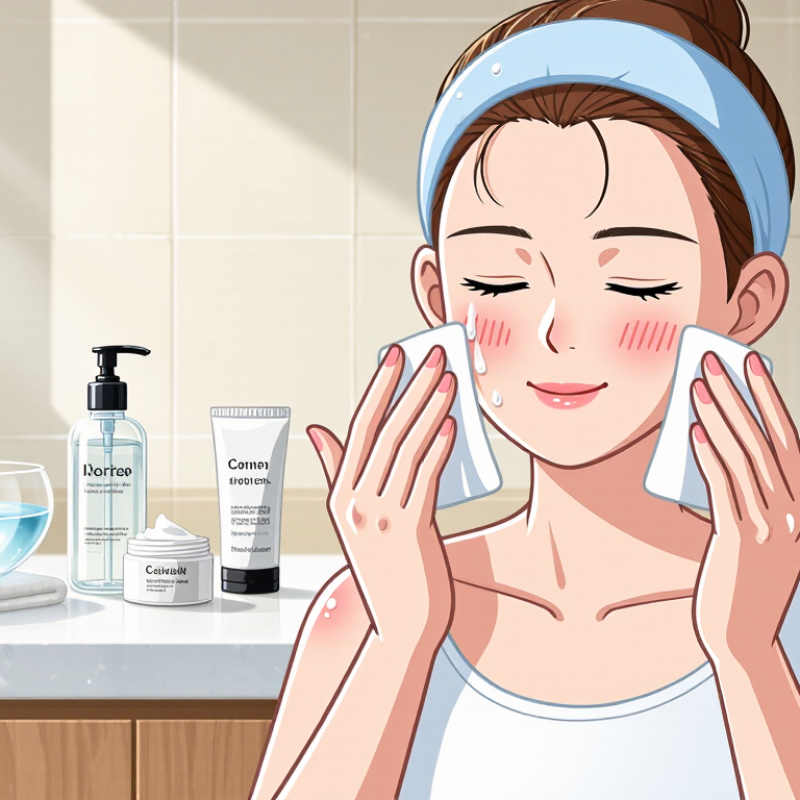
After skin treatment, redness usually reflects a normal repair response, not treatment failure. Heat, micro-injury, and temporary blood-vessel dilation bring immune cells to the surface. Chemical peels and lasers can also weaken the skin barrier, causing warmth, tightness, or stinging. The National Rosacea Society estimates that over 16 million Americans live with rosacea, showing how easily facial flushing can overlap with treatment-related redness.
The treatment type matters. Light procedures may cause pinkness for several hours, while stronger resurfacing can produce redness for days or longer. Clinical reviews in Dermatologic Surgery describe post-laser erythema as highly dependent on treatment depth, skin sensitivity, and aftercare. A cooler room, gentle cleansing, and a bland moisturizer may reduce discomfort. Avoid scrubs, alcohol-based products, hot showers, and intense exercise during the early recovery period. Broad-spectrum sunscreen also helps prevent lingering discoloration.
More care is not always better. Applying too many “soothing” products can irritate damaged skin, especially when fragrance or active acids are involved. This is where people, including experienced clinicians, can underestimate the barrier’s vulnerability. Persistent swelling, worsening pain, pus, blistering, or redness spreading beyond the treated area needs prompt medical assessment. Individual recovery varies, and online timelines should never replace advice from the treating professional.
What Is the Best Way to Reduce Redness After Skin Treatment?
Assessing the Severity and Type of Post-Treatment Redness
Mild redness often appears after exfoliation, microneedling, laser procedures, or injections. It may feel warm, tight, or slightly sensitive. This response usually fades within several hours or a few days, depending on the treatment and skin type. Cool compresses can provide comfort. Use clean water and a gentle, fragrance-free moisturizer. Avoid scrubbing, hot showers, exercise, and direct sunlight during the early recovery period.
The pattern matters more than the color alone. Even, pink redness can suggest expected irritation. Patchy redness with itching may indicate sensitivity to a product or topical ingredient. Small bumps, increasing tenderness, swelling, or yellow drainage require closer attention. Red streaks, fever, severe pain, breathing difficulty, or rapidly spreading swelling need urgent medical assessment. Do not apply steroid creams, antibiotics, or strong “rescue” products without professional advice.
I once underestimated redness because it looked mild in a photograph. In person, the skin felt unusually hot and painful. That changed my assessment. Take a clear photo in natural light, note when the redness began, and record every product used afterward. Contact the treating clinician if symptoms worsen, last longer than expected, or differ from the instructions provided. Recovery is not always linear. A calmer appearance in the morning does not guarantee the skin has fully recovered.
Redness can be expected after many skin treatments, but the first few hours matter. Follow your clinician’s aftercare instructions before adding anything new. Wash your hands, then touch the treated area as little as possible. A clean, cool, damp cloth may ease heat and discomfort. Do not place ice directly on the skin. It can increase irritation or cause injury.
Keep the area clean and gently moisturized with a product recommended for sensitive, treated skin. Avoid scrubs, exfoliating acids, retinoids, fragrance, hot showers, saunas, and intense exercise until the skin settles. Sun exposure can prolong redness, so wear protective clothing and use a suitable broad-spectrum sunscreen when your provider permits it. Reapply as directed. Simple care helps.
Not every reaction follows the same timeline. Mild pinkness may fade within hours, while deeper treatments can cause redness for several days. A common mistake is judging the result too quickly. Contact a qualified medical professional if redness spreads, becomes increasingly painful, feels unusually hot, or develops blisters, pus, severe swelling, or fever. Seek urgent care for breathing difficulty or facial swelling. Documenting changes with clear photos can help your clinician assess the reaction, although lighting can be misleading.
Choosing Suitable Skincare Products During the Recovery Period
After a peel, laser session, or microneedling, redness often reflects a weakened skin barrier. I prefer fewer products during this stage. Choose a fragrance-free cleanser, lukewarm water, and a plain moisturizer with glycerin, ceramides, or petrolatum. Avoid exfoliating acids, retinoids, essential oils, and scrubs until the skin feels comfortable again. Stinging is useful feedback, not a challenge to tolerate.
The American Academy of Dermatology recommends broad-spectrum SPF 30 or higher. Apply it after the skin can tolerate products, and reapply every two hours outdoors. The National Rosacea Society identifies sunlight, heat, and irritating products as common flushing triggers. Physical protection still matters. A wide-brimmed hat can reduce direct exposure while redness settles. I used to assume “natural” ingredients were gentler. That assumption was wrong; botanical extracts can still irritate recently treated skin.
Tips: Patch-test one new product on the jawline first. Wait 24 hours. Keep applications thin and gentle. Do not rub peeling areas. Follow your clinician’s aftercare instructions, especially after deeper procedures. Contact a qualified medical professional if redness spreads, pain increases, blisters appear, or swelling persists. Recovery is not always linear, and forcing faster results can prolong irritation.
Choosing Suitable Skincare Products During the Recovery Period
| Recovery priority | Suitable product type | Helpful ingredients or features | How to use it | What to avoid |
|---|---|---|---|---|
| 1. Minimize irritation | Gentle, low-foaming cleanser | Fragrance-free, soap-free, alcohol-free, and designed for sensitive skin | Cleanse with lukewarm water using clean fingertips. Pat dry without rubbing. | Scrubs, cleansing brushes, hot water, washcloth friction, and strongly fragranced cleansers |
| 2. Restore comfort | Barrier-supporting moisturizer | Ceramides, glycerin, hyaluronic acid, squalane, or petrolatum | Apply a thin, even layer to slightly damp skin, as directed by the treatment professional. | Peeling agents, essential oils, menthol, eucalyptus, and products that sting on application |
| 3. Protect from sunlight | Broad-spectrum sunscreen | Broad-spectrum SPF 30 or higher; a mineral formula may be more comfortable for some sensitive skin | Use only when the skin surface is intact and the treating professional permits it. Reapply after sweating or according to the product directions. | Deliberate tanning, tanning beds, prolonged midday sun, and applying sunscreen over open or weeping skin |
| 4. Calm temporary warmth | Cool compress | Clean, cool water; no direct ice contact | Use a clean, soft compress for short intervals. Stop if discomfort, numbness, or increased redness occurs. | Direct ice, very cold packs, heating pads, saunas, and hot showers |
| 5. Keep the routine simple | Minimal routine of cleanser, moisturizer, and permitted sunscreen | Short ingredient lists and products previously tolerated by the skin | Introduce one product at a time so that any reaction can be identified more easily. | Starting several new products at once or layering multiple active ingredients |
| 6. Pause strong actives | Basic hydration only until the skin feels comfortable | Plain moisturizer without exfoliating or sensitizing actives | Resume retinoids, exfoliating acids, benzoyl peroxide, or other treatment products only when cleared by the professional who performed the procedure. | Retinoids, alpha-hydroxy acids, beta-hydroxy acids, scrubs, strong vitamin C formulas, and benzoyl peroxide during early recovery |
| 7. Reduce contact and friction | Soft, clean fabrics and non-irritating personal-care products | Clean pillowcases, loose clothing, and gentle makeup-removal methods | Avoid touching, picking, or rubbing the treated area. Follow the procedure-specific aftercare instructions. | Picking flakes or scabs, tight clothing, dirty hands, and vigorous massage |
| 8. Monitor the response | Professional follow-up when needed | Clear aftercare guidance from the treating clinician | Mild redness may be expected after some procedures, but it should generally improve according to the expected recovery pattern provided to you. | Ignoring worsening pain, spreading redness, increasing swelling, pus, fever, blistering, or breathing difficulty |
What Is the Best Way to Reduce Redness After Skin Treatment?
Mild redness can be expected after laser therapy, chemical peels, microneedling, or other procedures. Skin may feel warm, tight, or slightly swollen for several hours. A cool, clean compress can help. Avoid rubbing, scrubbing, hot showers, intense exercise, and direct sunlight during early recovery. Use only the aftercare products recommended by your qualified provider.
Warning signs deserve more attention. Contact a licensed medical professional if redness keeps spreading, becomes significantly worse, or lasts beyond the timeframe your provider explained. Severe pain, increasing warmth, yellow drainage, thick crusting, blisters, or fever may suggest infection or a deeper reaction. Swelling around the eyes needs prompt assessment. Do not wait if vision changes occur.
Breathing difficulty, facial swelling, widespread hives, dizziness, or throat tightness may indicate a serious allergic reaction. Seek emergency medical help immediately. Even experienced patients can misread normal irritation as harmless, especially under bright bathroom lighting. Taking clear photos can help a clinician compare changes over time. Avoid applying antibiotics, steroid creams, essential oils, or homemade remedies without medical guidance. Treatment type, skin tone, medications, and healing history all affect risk, so online advice cannot replace an individual examination.
Mild redness, warmth, tightness, or slight swelling can occur after treatment. It may last several hours. Recovery is not always linear.
Use a cool, clean compress for short periods. Avoid rubbing, scrubbing, hot showers, hard exercise, and direct sunlight. Keep the skin quiet.
Choose a fragrance-free cleanser and lukewarm water. Use a simple moisturizer containing glycerin, ceramides, or petrolatum. Apply thinly and gently.
Avoid exfoliating acids, retinoids, essential oils, and scrubs. Stinging is feedback, not a challenge. Stop products that cause burning or worsening redness.
Use broad-spectrum SPF 30 or higher when your skin tolerates products. Reapply every two hours outdoors. A wide-brimmed hat can block direct sunlight.
Apply a small amount to your jawline first. Wait 24 hours before wider use. I once assumed “natural” ingredients were gentler, but that was not reliable.
Contact a licensed medical professional if redness spreads, worsens, or lasts unusually long. Increasing pain, warmth, yellow drainage, thick crusts, blisters, or fever need attention. Swelling around the eyes needs prompt assessment.
Seek emergency medical help for breathing difficulty, facial swelling, widespread hives, dizziness, or throat tightness. Do not wait for symptoms to settle. Vision changes also require urgent care.
Redness after a skin treatment is often a normal response to heat, exfoliation, injections, or other forms of controlled irritation. The skin’s protective barrier may become temporarily weakened, causing warmth, sensitivity, or visible flushing. To understand how to reduce redness after a skin treatment, first assess its intensity, duration, and symptoms. Mild, evenly distributed redness that gradually improves is usually part of the recovery process, while severe pain, swelling, blistering, spreading discoloration, or worsening symptoms may require professional evaluation.
Immediately after treatment, keep the area cool without applying ice directly, avoid rubbing or scratching, and protect the skin from sunlight and heat. Use gentle, fragrance-free products that support hydration, and pause exfoliants, retinoids, alcohol-based formulas, and other potentially irritating ingredients until the skin has recovered. Follow the treatment provider’s instructions carefully, and seek medical advice if redness persists unexpectedly or is accompanied by infection-like symptoms, significant discomfort, or changes in skin texture.