Best Treatments for Hyperpigmentation on Dark Skin in 2026?

Time:2026-05-05 Author:Isabella
0%

Hyperpigmentation can be a challenging skin concern, especially for those with dark skin tones. This condition can manifest in various forms, such as dark spots or uneven skin tone. Many individuals seek solutions to restore their skin's natural beauty. Understanding how to treat hyperpigmentation on dark skin is vital for effective results.

The journey to achieve clear skin often involves trial and error. Many treatments claim to be effective, but not all are suitable for darker skin. It's crucial to choose products that address hyperpigmentation without causing irritation or further damage. The best treatments in 2026 incorporate active ingredients known for their efficacy, like vitamin C and niacinamide.

Despite advancements, it's important to remain realistic about treatment outcomes. Some may find that results take time, requiring patience and consistent application. Seeking advice from skincare professionals can also provide tailored recommendations. Ultimately, the quest for flawless skin continues, highlighting the importance of informed choices and ongoing research in this field.
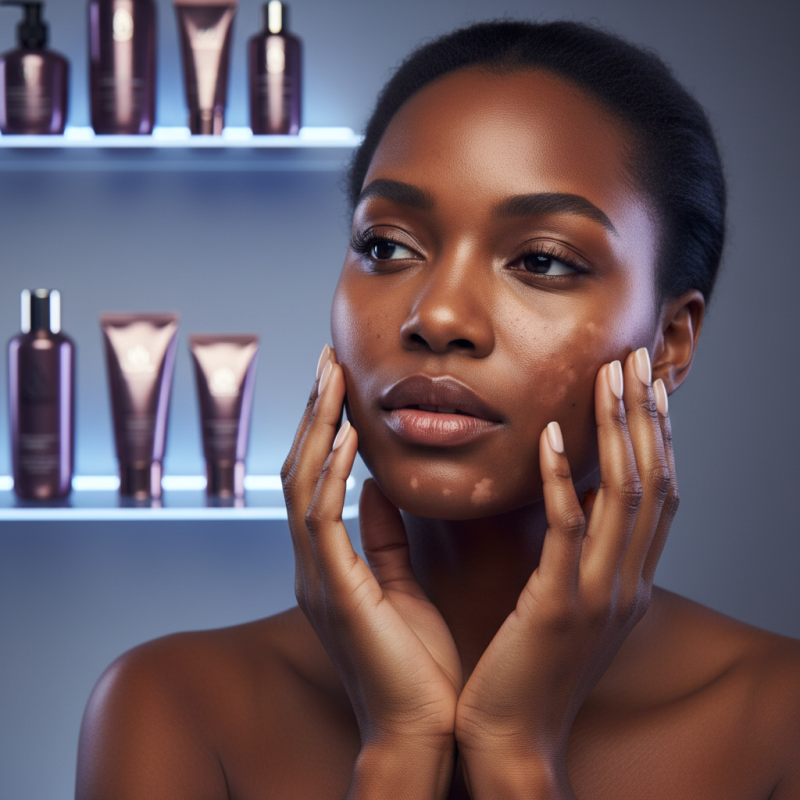
Best Treatments for Hyperpigmentation on Dark Skin in 2026?

Understanding Hyperpigmentation: Causes and Types in Dark Skin

Hyperpigmentation, especially in dark skin, is a common concern. It can stem from various causes, including sun exposure, hormonal changes, and inflammation. Studies indicate that over 65% of individuals with dark skin experience some form of hyperpigmentation. This condition occurs when melanin production is heightened, leading to dark patches on the skin.

There are several types of hyperpigmentation prevalent in dark skin. Post-inflammatory hyperpigmentation (PIH) frequently occurs after acne or other skin injuries. Meanwhile, melasma is often triggered by hormonal fluctuations, particularly in women. Data from dermatological studies show that melasma affects nearly 15% of women with darker skin tones. It is critical to understand these variances in hyperpigmentation to tailor appropriate treatments.

Addressing hyperpigmentation effectively requires a multifaceted approach. Treatments may vary in efficacy based on individual skin types and the underlying causes. Professional insights recommend seeking dermatological advice for personalized treatment options. Nevertheless, many people struggle with the emotional impacts of hyperpigmentation. This common issue can affect self-image and confidence, suggesting the need for awareness and empathy in discussions about skin health.

Key Ingredients in Treatments for Hyperpigmentation on Dark Skin

Hyperpigmentation is a common concern for individuals with dark skin. Effective treatments rely on key ingredients that target excess melanin production. Hydroquinone, a well-known skin-lightening agent, can help reduce dark spots. However, its use is often debated due to potential side effects, making professional guidance crucial.

Another effective ingredient is azelaic acid. It works gently and is suitable for sensitive skin. This ingredient not only lightens pigmentation but also has anti-inflammatory properties. Niacinamide, or vitamin B3, is also gaining attention. It supports skin barrier function while evening out skin tone.

Despite the effectiveness of these ingredients, results can vary. Each individual’s skin is unique, requiring a tailored approach. Patience is essential, as many treatments take time to show noticeable changes. Some may experience irritation or sensitivity. Consulting a dermatologist before starting any treatment plan can increase safety and effectiveness.

Best Treatments for Hyperpigmentation on Dark Skin in 2026

Treatment Method Key Ingredients Recommended Frequency Effectiveness Score (out of 10)
Topical Creams Hydroquinone, Vitamin C, Niacinamide Twice Daily 8
Chemical Peels Glycolic Acid, Salicylic Acid Every 4-6 Weeks 7
Laser Treatments Q-Switch Nd:YAG Laser Every 3-6 Months 9
Microdermabrasion Aluminum Oxide Crystals Every 2-4 Weeks 6
Natural Remedies Turmeric, Licorice Extract Daily 5

Comparative Analysis of Top Treatments for Dark Skin Hyperpigmentation

Hyperpigmentation on dark skin can be a challenging issue. In 2026, several treatments have emerged as effective solutions. A comparative analysis of these treatments highlights their unique benefits and drawbacks. Topical ingredients like tranexamic acid and azelaic acid offer promising results. They target melanin production effectively. However, results can vary from person to person.

When considering any treatment, it's essential to understand skin type and severity of pigmentation. Chemical peels and laser therapies can also be beneficial. Yet, they may cause irritation or hyperpigmentation if not used correctly. Always consult a dermatologist before starting treatments.

Tips for managing hyperpigmentation on dark skin include regular sunscreen use. This protects against UV damage, reducing pigmentation exacerbation. Also, patch test new products to avoid adverse reactions. Gentle cleansing is crucial. Harsh scrubs can worsen skin conditions. Instead, opt for mild exfoliating options that won’t irritate the skin. Remember, patience is key; treatments can take time to show noticeable effects.

Natural Remedies for Hyperpigmentation: Effectiveness and Safety

Hyperpigmentation is common in dark skin. Many seek natural remedies to treat this condition. Natural options are often favored for their holistic benefits. However, their effectiveness varies significantly.

Aloe vera is a popular choice. It contains compounds that may lighten dark spots. Regular application can improve skin texture. Yet, results are not immediate. Consistency is key. Patience is necessary when using natural remedies.

Another effective remedy is licorice extract. It can help reduce melanin production. This may lead to a more even skin tone. Again, noticeable changes take time. Always patch test to avoid irritation. Essential oils like tea tree can also help, but they should be used cautiously.

Tips:
- Use a patch test before applying any new remedy.
- Combine remedies for potentially better results.
- Maintain a skincare routine to enhance benefits.

Future Trends in Hyperpigmentation Treatments for Dark Skin in 2026

As we look forward to 2026, the landscape of hyperpigmentation treatments for dark skin shows promising advancements. A recent report by the Dermatology Research Journal indicates that global spending on skincare products is expected to reach over $40 billion by 2026. This surge reflects a growing awareness and demand for effective solutions.

Emerging trends highlight the use of novel ingredients such as bakuchiol, a plant-based retinol alternative. Studies suggest it can reduce pigmentation without causing irritation, which is crucial for darker skin tones. Additionally, the growing preference for personalized skincare regimens is reshaping treatment approaches. More clinics are adopting genetic testing to tailor treatments according to individual skin needs. However, the challenge remains in ensuring these innovations are accessible and affordable across diverse populations.

The future also points to increased focus on preventative measures. Education around sun protection is critical. Statistics reveal that 70% of individuals with darker skin still experience hyperpigmentation. There is a need for more effective counseling on sun exposure and its effects. Treatment options may be advanced, but a holistic approach, addressing prevention and education, is essential for lasting results.

FAQS

: What causes hyperpigmentation in dark skin?

: Hyperpigmentation can arise from sun exposure, hormonal changes, and inflammation.

How common is hyperpigmentation in individuals with dark skin?

Over 65% of individuals with dark skin show some form of hyperpigmentation.

What types of hyperpigmentation are prevalent in dark skin?

Post-inflammatory hyperpigmentation (PIH) and melasma are common.

What is post-inflammatory hyperpigmentation (PIH)?

PIH typically occurs after acne or skin injuries, leading to dark patches.

How does melasma develop in dark-skinned individuals?

Melasma is often triggered by hormonal changes, particularly in women.

Are natural remedies effective for treating hyperpigmentation?

Natural remedies can help, but effectiveness varies. Results take time.

What are some natural remedies for hyperpigmentation?

Aloe vera and licorice extract are popular options with potential benefits.

Why is it important to patch test remedies?

Patch testing helps avoid irritation and allergic reactions to new products.

How is the future of hyperpigmentation treatment looking?

Advances include personalized skincare and novel ingredients like bakuchiol.

What role does education play in preventing hyperpigmentation?

Educating about sun protection is vital, as many still experience hyperpigmentation.

Conclusion

In recent years, understanding how to treat hyperpigmentation on dark skin has evolved significantly, focusing on the unique causes and types of pigmentation issues faced by those with darker skin tones. Effective treatments often incorporate key ingredients such as vitamin C, niacinamide, and hydroquinone, which work together to reduce discoloration while ensuring skin safety.

A comparative analysis of top treatments reveals that while several pharmaceutical options show promise, natural remedies also play a crucial role in promoting skin health without harsh side effects. Looking ahead to 2026, emerging trends suggest a continued emphasis on personalized skincare solutions, integrating advanced technology and natural ingredients to provide safe and effective options for those struggling with hyperpigmentation on dark skin.

Isabella

Isabella

Isabella is a dedicated marketing professional with a sharp focus on driving brand growth and engagement through strategic content creation. With an extensive background in digital marketing, she combines her passion for storytelling with her keen understanding of industry trends to deliver......