In 2026, anti-aging care is moving toward personalized, evidence-based treatment rather than one universal routine. Skin changes differently because of genetics, sun exposure, hormones, sleep, stress, and daily habits. Fine lines may appear around the eyes, while uneven tone often develops across the cheeks. These details matter when choosing a safe plan.
Many readers ask, “What age should I start anti-aging treatments?” There is no single correct answer. Preventive care can begin in the twenties with broad-spectrum sunscreen, gentle cleansing, moisturization, and healthy lifestyle choices. Retinoids, antioxidants, chemical exfoliation, lasers, injectables, and other treatments may suit specific concerns. However, each option has potential risks, costs, and recovery needs. A qualified dermatologist can examine your skin and explain realistic results.
Start with the basics.
This guide explores the top anti-aging treatments expected to attract attention in 2026. It separates clinically supported options from exaggerated marketing claims. It also considers skin type, age-related goals, treatment frequency, and professional supervision. Some popular treatments may look impressive online but perform differently in real clinics. That is worth remembering.
No routine works perfectly for everyone. Even expert recommendations can change as new research appears. A thoughtful consultation, consistent sun protection, and gradual decisions usually provide a stronger foundation than rushed procedures. The goal is not to erase every expression line. Healthy, comfortable, natural-looking skin should remain the priority.
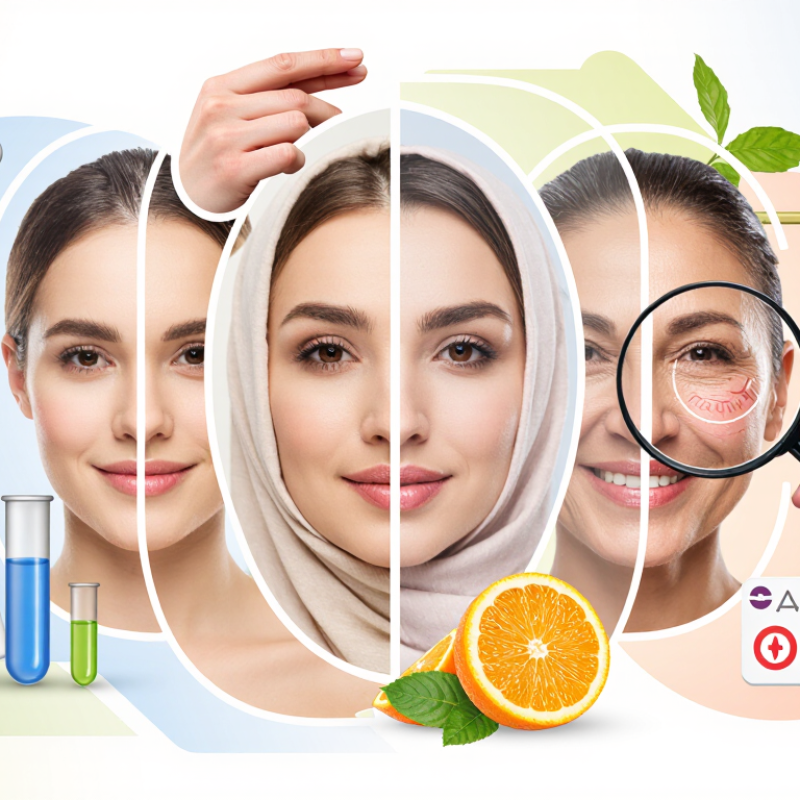
Biological aging describes how quickly your cells, tissues, and organs lose resilience. It does not always match your birthday. Two people aged 45 may differ in muscle strength, skin repair, sleep quality, and metabolic health. Clinicians often watch blood pressure, blood glucose, cholesterol, waist size, and physical performance. A slower recovery after climbing stairs can matter more than a new gray hair.
Visible signs may include thinner, drier skin, reduced elasticity, and bruises that linger. Other clues are weaker grip, less balance, frequent fatigue, and waking several times at night. Pay attention to patterns, not one difficult week. A wearable can record sleep, but it cannot diagnose biological age. That distinction is important.
The strongest early approach is usually unglamorous: regular resistance training, adequate protein, daily movement, sun protection, restorative sleep, and limited alcohol. Start when habits become difficult, not only when wrinkles appear. Medical treatments may help selected concerns, but injections, supplements, and hormone therapies require individual assessment. They can carry risks and are not universal anti-aging solutions. A clinician may review family history, medicines, menstrual or reproductive changes, and laboratory results before recommending treatment. It is tempting to chase a younger appearance. Yet a stronger body, steadier energy, and safer blood pressure may reveal more about aging than a mirror. Some warning signs deserve attention sooner, especially unexplained weight loss, persistent weakness, or sudden cognitive changes.
Anti-aging care should begin with skin needs, not a birthday. In your 20s, daily broad-spectrum sunscreen, gentle cleansing, and moisturizer create the strongest foundation. The American Academy of Dermatology states that ultraviolet exposure causes much premature skin aging, including wrinkles and uneven pigmentation. Apply sunscreen to the face, ears, neck, and hands. Small habits compound. Avoid tanning beds.
During the 30s, a dermatologist-reviewed retinoid may help fine lines, texture, and acne. Start slowly, perhaps two nights weekly, because irritation can undermine consistency. In-office options, such as chemical peels or light-based treatments, should match a specific concern. The 2023 ISAPS Global Survey recorded about 19.1 million nonsurgical aesthetic procedures worldwide. That figure shows demand, not universal necessity. More treatment is not automatically better.
In the 40s and 50s, hormonal changes can bring dryness, sensitivity, and deeper lines. A clinician may discuss prescription retinoids, resurfacing, neuromodulators, or fillers after reviewing medical history. During menopause, moisturizer and sunscreen may feel less dramatic, but they remain practical. The American Academy of Dermatology recommends professional assessment for changing or concerning skin lesions. I used to view prevention as a strict routine. Realistically, sleep, stress, sun exposure, and genetics also shape results. Start with one change you can repeat.
Start anti-aging care early with daily broad-spectrum SPF 30 or higher, gentle cleansing, moisturization, and healthy lifestyle habits. In the 30s and beyond, evidence-supported ingredients such as topical retinoids may be considered gradually, while professional treatments should be selected according to individual skin concerns and medical advice. The scores show relative care priority by life stage, not a clinical diagnosis or a mandatory treatment schedule.
Top Evidence-Based Anti-Aging Treatments in 2026
Anti-aging care should begin with prevention, not panic. Daily broad-spectrum SPF 30 or higher remains the strongest first step. The American Academy of Dermatology recommends applying enough sunscreen and reapplying outdoors. Around age 20, add gentle cleansing, moisturizer, and consistent sun protection. Prescription retinoids can improve fine lines, uneven texture, and collagen activity. Start slowly. Peeling and redness are common mistakes.
In-office treatments should match visible concerns, not birthdays. Botulinum toxin can soften expression lines, while laser procedures may improve pigmentation and texture. The 2023 ISAPS Global Survey recorded approximately 19.1 million nonsurgical procedures worldwide. Botulinum toxin accounted for about 8.8 million, showing its popularity, not guaranteed suitability. A qualified dermatologist should review medications, skin type, pregnancy plans, and healing history before treatment.
Results need patience. Skin remodeling often takes months, not several days. Clinical studies support retinoids, but real-world adherence remains difficult. I still miss sunscreen on rushed mornings. That matters. A treatment plan can be scientifically sound and still fail through inconsistent use. Adults in their 30s may consider targeted procedures when lines persist at rest. Earlier intervention is not automatically better. Professional assessment, conservative dosing, and documented follow-up remain more reliable than aggressive promises. Sources: American Academy of Dermatology guidance; ISAPS 2023 Global Survey; peer-reviewed dermatology reviews.
2026 Top Anti Aging Treatments: What Age Should You Start?
How to Match Treatments With Skin Concerns and Age
Anti-aging care should match your skin, not your birthday. In your 20s, focus on daily broad-spectrum sunscreen and gentle cleansing. These steps help limit UV damage, uneven tone, and early collagen loss. Add a simple moisturizer if your skin feels tight. More products do not always mean better results.
During your 30s, fine lines, dullness, and uneven pigmentation may become noticeable. A dermatologist may suggest a topical retinoid, vitamin C, or professional chemical exfoliation. Start gradually. Redness and peeling can signal overuse, not progress. Pregnant or breastfeeding patients should ask a medical professional before using retinoids. In-office procedures should follow a skin assessment, especially for darker skin tones or sensitive skin.
In your 40s and beyond, treatment choices often depend on volume loss, deeper lines, laxity, or persistent discoloration. Options may include prescription therapies, controlled laser procedures, radiofrequency treatments, or injectable procedures performed by qualified clinicians. The safest plan considers medical history, medications, sun exposure, and realistic expectations. I have learned that aggressive treatment can create new problems when the original concern was misunderstood. Skin changes also differ widely, so age-based advice remains a guide rather than a rule.
2026 Top Anti Aging Treatments: What Age Should You Start?
There is no universal age for anti-aging treatment. Skin concerns, genetics, sun exposure, medications, and personal goals all matter. Many people begin with daily sunscreen, gentle cleansing, moisturising, and careful use of evidence-based ingredients in their twenties. These steps support skin health without promising permanent youth.
Professional guidance becomes more important when considering prescription products, injectables, lasers, or energy-based procedures. A licensed dermatologist should review your medical history, allergies, pregnancy plans, skin type, and current products. Ask about side effects, downtime, expected results, and practitioner qualifications. Start conservatively. Small changes are easier to assess.
Long-term planning should focus on maintenance, not dramatic transformation. A clinician may recommend photographs, gradual treatment intervals, and regular skin checks. Results can change with hormones, stress, weight shifts, and sun exposure. Plans need revision. That is normal. I would be cautious of anyone guaranteeing perfect results or urging immediate treatment. A thoughtful consultation may reveal that better sleep, sun protection, or treating irritation should come first. Some procedures also require postponement when the skin barrier is damaged or infection is present. Safety should remain more important than speed.
There is no universal “correct” starting age for anti-aging treatment. Preventive skin care can begin early, while professional procedures should be selected according to an individual’s skin condition, medical history, treatment goals, and risk tolerance rather than age alone.
| Treatment or Strategy | Typical Starting Point | Primary Benefits | Expected Timeline or Duration | Key Safety Considerations | Professional Guidance and Long-Term Planning |
|---|---|---|---|---|---|
| Daily broad-spectrum sunscreen | As early as practical; daily use is appropriate for children and adults when sun exposure occurs. | Helps prevent sunburn, photoaging, uneven pigmentation, and ultraviolet-related skin damage. | Preventive benefits accumulate over months and years; reapply after swimming, sweating, or prolonged outdoor exposure. | Use a broad-spectrum product with SPF 30 or higher, protective clothing, shade, and sunglasses. Some formulas may irritate sensitive skin. | This is the foundation of nearly every long-term anti-aging plan. A dermatologist can recommend suitable formulations for acne-prone, sensitive, or darker skin. |
| Moisturizer and gentle skin-care routine | Any age, especially when dryness, irritation, or a damaged skin barrier is present. | Reduces dryness, improves skin comfort, and temporarily softens the appearance of fine lines. | Hydration can improve visible dryness within days; continued use supports barrier function. | Avoid excessive cleansing, frequent harsh exfoliation, and products that cause persistent burning or redness. | A simple routine is more sustainable than multiple irritating products. Introduce only one new active ingredient at a time. |
| Topical retinoids | Often considered in adulthood when acne, fine lines, uneven texture, or pigmentation develops; the appropriate age varies by indication. | May improve acne, fine lines, skin texture, and some forms of uneven pigmentation by increasing cell turnover and supporting collagen remodeling. | Visible improvement commonly requires 8–12 weeks or longer; maintenance is usually needed to preserve results. | Dryness, peeling, redness, and irritation are common at first. Use sun protection. Pregnancy and breastfeeding decisions require medical advice. | Start gradually with professional advice, especially for sensitive skin, eczema, rosacea, or use of other active ingredients. |
| Antioxidant or pigment-targeted topical products | When concerns such as dullness, environmental exposure, or uneven pigmentation appear; no fixed age is required. | May help reduce oxidative stress or improve the appearance of uneven tone, depending on the active ingredient and formulation. | Results are generally gradual and may require several weeks to months of consistent use. | Irritation and allergic reactions are possible. Pigmentation can worsen if sun protection is inadequate. | A clinician should evaluate new, changing, or unusual pigmented lesions before cosmetic treatment. |
| Botulinum toxin injections | Usually considered when dynamic facial lines become bothersome; treatment is not determined by a specific age. | Temporarily softens expression-related lines, particularly in the upper face. | Effects commonly begin within several days and typically last about 3–4 months, although duration varies. | Possible effects include bruising, headache, temporary asymmetry, eyelid or brow drooping, and rare swallowing or breathing complications. | Only a qualified, appropriately trained medical professional should assess suitability, anatomy, dosing, and repeat-treatment intervals. |
| Dermal fillers | Considered when volume loss, folds, or facial contour concerns are present; chronological age alone is not an indication. | Can restore selected areas of volume and improve the appearance of certain folds or contour irregularities. | Duration varies substantially by material, location, metabolism, and movement; many temporary fillers last approximately 6–18 months. | Swelling, bruising, lumps, infection, asymmetry, and delayed inflammatory reactions can occur. Rare vascular complications can cause tissue injury or vision loss. | Use only after a detailed consultation with a licensed medical professional experienced in facial anatomy and complication management. |
| Chemical peels | When texture, mild pigmentation, acne, or fine lines are present and the skin is suitable for controlled exfoliation. | May improve surface texture, selected pigmentation concerns, and some fine lines. | Light peels may require a series of treatments; recovery ranges from minimal peeling to several weeks for deeper procedures. | Irritation, burns, infection, scarring, and post-inflammatory hyperpigmentation are possible, with higher pigment-change risk in some skin types. | The peel depth and formulation should be selected by a qualified professional after reviewing skin type, medications, and history of pigmentation or scarring. |
| Laser and light-based procedures | When persistent pigmentation, redness, scars, wrinkles, or texture concerns do not respond adequately to basic care. | Depending on the technology, may address vascular redness, pigmentation, unwanted hair, scars, or skin resurfacing. | Some treatments need multiple sessions; resurfacing results may continue developing for months as collagen remodeling occurs. | Redness, swelling, burns, infection, scarring, and temporary or persistent pigment changes are possible. | A medical assessment, realistic expectations, strict sun protection, and a plan suited to skin tone and condition are essential. |
| Microneedling | Usually considered for selected acne scars, texture concerns, or fine lines after skin suitability is assessed. | May stimulate wound-healing responses and improve the appearance of some scars and textural irregularities. | A series is often required; collagen-related improvement generally develops gradually over several months. | Temporary redness and swelling are common. Infection, scarring, and pigment changes can occur, especially with poor technique or unsuitable skin conditions. | Avoid treatment over active infection or uncontrolled inflammatory skin disease. Professional sterilization and aftercare are important. |
| Healthy lifestyle measures | At every age. | Supports general health and may reduce preventable contributors to premature skin aging, including smoking, excessive alcohol, poor sleep, and inactivity. | Benefits are ongoing and depend on consistent habits rather than short-term use. | Avoid unproven extreme diets, unsafe supplements, and excessive exercise programs. Individual medical conditions require personalized advice. | Prioritize smoking cessation, balanced nutrition, regular physical activity, adequate sleep, stress management, and routine medical care. |
| Hormone therapy marketed for “anti-aging” | Not recommended solely to slow normal aging or improve appearance. | May have specific medical indications, but it is not a general-purpose cosmetic anti-aging treatment. | Benefits and risks depend on the hormone, indication, dose, duration, and individual health profile. | Potential risks can include cardiovascular events, blood clots, gallbladder disease, infertility, or hormone-sensitive cancers, depending on the therapy. | Use only for an established medical indication under appropriate medical supervision, with regular reassessment. |
Medical disclaimer: This table provides general educational information and does not replace an examination or individualized advice from a qualified healthcare professional. Treatment availability, indications, and safety recommendations may vary by country and by patient.
Biological aging shows how quickly cells, tissues, and organs lose resilience. It may differ from your birthday. Two 45-year-olds can have different strength, sleep, skin repair, and metabolic health.
Watch for weaker grip, poor balance, frequent fatigue, and slower recovery after stairs. Dry skin, bruises, and reduced elasticity may also appear. One difficult week proves little.
A wearable can record sleep duration and nighttime awakenings. It cannot diagnose biological age. Use patterns as clues, not final answers.
Resistance training, enough protein, daily movement, and restorative sleep can help. Protect exposed skin from sunlight. Limit alcohol. Simple habits are easy to ignore.
Seek evaluation for unexplained weight loss, persistent weakness, or sudden cognitive changes. A clinician may review medicines, family history, laboratory results, and reproductive changes. Do not explain everything as normal aging.
Use broad-spectrum sunscreen with SPF 30 or higher when outdoors. Apply moisturizer and cleanse gently. Reapply sunscreen during extended outdoor activity. I still miss it on rushed mornings.
Prescription retinoids may improve fine lines, uneven texture, and collagen activity. Begin slowly to reduce peeling and redness. Follow professional instructions. Consistency is harder than the science.
Treatment should match a visible concern, not a birthday. Some procedures can soften expression lines or improve pigmentation and texture. A qualified clinician should review skin type, medicines, pregnancy plans, and healing history. More treatment is not automatically better.
Skin remodeling often takes several months. Visible changes may not appear within days. Conservative treatment and documented follow-up are safer than aggressive promises. Results can disappoint.
Aging is a natural biological process influenced by genetics, sun exposure, lifestyle, hormones, and changes in collagen, elasticity, hydration, and cell renewal. Early signs may include fine lines, uneven tone, dryness, loss of firmness, and slower recovery. The answer to “What age should I start anti-aging treatments” depends less on a specific birthday and more on individual skin needs. Preventive care can begin in the late teens or twenties with daily sun protection, gentle cleansing, moisturization, healthy nutrition, adequate sleep, and avoidance of smoking.
As concerns become more noticeable, treatment plans can be adjusted by life stage and skin condition. Evidence-based options may include topical ingredients, professional skin treatments, light-based procedures, injectables, or other clinically guided approaches, selected according to goals such as pigmentation, wrinkles, texture, or volume loss. A qualified medical professional should assess skin type, medical history, treatment risks, and realistic expectations. Long-term success comes from consistent care, gradual changes, regular evaluations, and a personalized plan that prioritizes safety over aggressive or unnecessary procedures.
